

A clogged drain in a Grand Rapids home can mean more than a slow sink. Sometimes a cable snake clears the blockage. Sometimes it doesn’t touch the real problem. Hydro jetting is the method plumbers reach for when snaking falls short, using high-pressure water to scour pipe walls that a cable can’t fully clean. Grapids Home Services has been diagnosing and clearing drains in West Michigan since 1999, earning a BBB A+ Rating along the way. This guide explains how hydro jetting works, when it’s the right call, and what Grand Rapids homeowners should expect from the process.
When Your Drain Keeps Coming Back Clogged, Snaking May Not Be Enough
If you live in the Kentwood or Wyoming area and your kitchen drain clogs every few months, you are not dealing with bad luck. Repeat clogs after snaking are one of the most common plumbing calls across West Michigan, especially in homes built before 1980 with cast iron or clay sewer lines.
Here is why it keeps happening. A drain snake punches a hole through the blockage. That is it. The pipe walls stay coated in grease, mineral scale, and root debris. The passage opens just enough for water to flow again, but the buildup left behind gives the next clog a head start. Within weeks or months, the drain slows down again.
That is exactly the problem hydro jetting solves. A hydro jetting machine forces water at extremely high pressure through the pipe, clearing the full pipe bore rather than just poking a temporary passage through the center. The sections below explain how it works and when it makes sense for a Grapids Home Services technician to recommend it over a standard snake.
What Is Hydro Jetting?
Hydro jetting is a drain cleaning method that uses water pressurized between 1,500 and 4,000 PSI to scour the full interior of a pipe. To put that in perspective, 4,000 PSI is strong enough to strip hardened grease off a pipe wall entirely. A machine pumps pressurized water through a specialized nozzle inserted into a pipe cleanout access point.
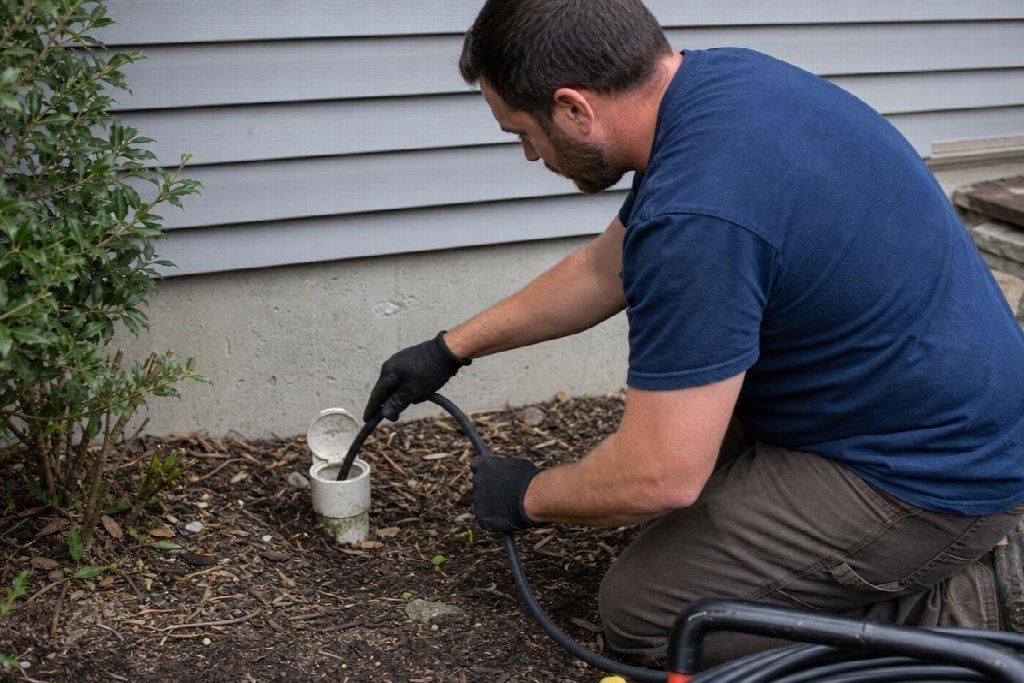
The nozzle does two jobs at once. Forward-facing jets cut through the blockage itself. Rear-facing jets then flush the loosened material back toward the main sewer line and out of the system entirely.
What Hydro Jetting Clears
A drain snake punches a hole through a clog. That is useful for a quick fix, but it leaves buildup coating the pipe bore. Hydro jetting scours the interior pipe surface clean. That distinction matters most for the types of buildup a snake simply cannot reach.
What hydro jetting clears:
- Grease and cooking fat coating pipe walls
- Mineral scale from hard water deposits
- Tree root intrusion
- Soap scum buildup
- Sand, sediment, and organic sludge in main sewer lines
West Michigan tap water typically runs 8 to 12 grains per gallon (GPG) of hardness. That is well above the national average. For homeowners in Kentwood, Walker, and the surrounding area, mineral scale is not a rare problem. It is a routine one. Grapids Home Services’ hydro jetting service is built specifically to handle this kind of layered, long-term buildup.
Why a Camera Inspection Comes First
Before any high-pressure water enters a pipe, a camera inspection is performed. This confirms the pipe is structurally sound and pinpoints the exact location of the blockage. Introducing 4,000 PSI into an already-cracked or corroded pipe can cause serious damage. The camera inspection removes that risk before work begins.
Hydro Jetting for Grand Rapids Homes: Why Local Conditions Make It Relevant
West Michigan’s geology, housing age, and tree canopy create drain problems that a cable auger simply cannot fully resolve. The three factors below explain why drain cleaning in the Grand Rapids area often calls for something more than a standard service call.
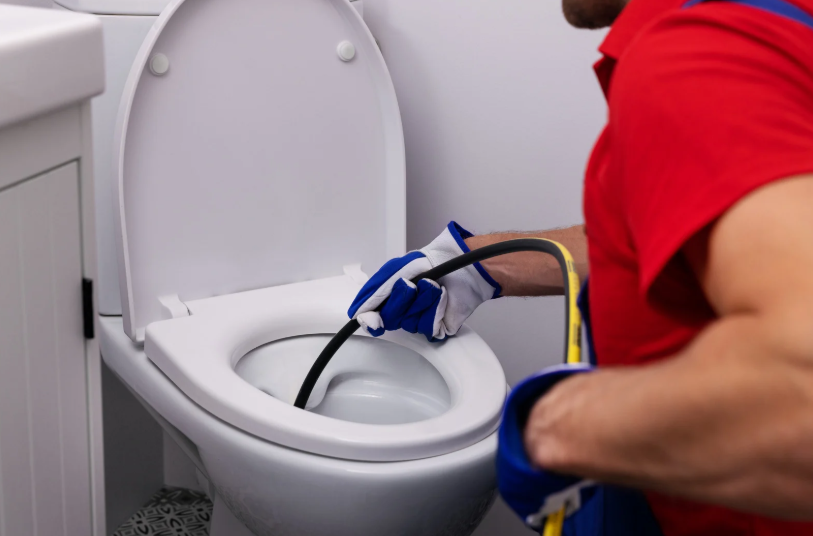
Hard Water Scale from West Michigan’s Limestone Aquifers
Grand Rapids draws its tap water from limestone aquifers, which produces naturally hard water measuring roughly 8 to 12 grains per gallon in calcium and magnesium. Over years, those minerals deposit on the interior pipe surface, narrowing flow and creating a rough texture where grease and soap cling. Hydro jetting is one of the few drain cleaning methods that physically strips that scale off the pipe bore rather than simply punching a hole through it.
Older Housing Stock in Neighborhoods Like Eastown, Creston, and Heritage Hill
Homes in Eastown, Creston, and the Heritage Hill district were largely built between the 1910s and 1950s. Many still have their original cast iron or clay sewer lines. Decades of grease, mineral scale, and root intrusion have layered inside those pipes. A cable auger gives temporary relief, but it leaves the coating on the pipe cross-section intact. Grapids Home Services addresses that buildup directly, which is why it is often the right call for older homes in these neighborhoods before a technician evaluates whether full sewer line replacement is needed.
Tree Root Intrusion in Mature West Michigan Landscapes
Silver maples, elms, and cottonwoods are common throughout the region’s older residential streets, and their root systems are aggressive. They seek moisture at clay sewer joints, working into hairline cracks and expanding over time. Hydro jetting paired with a root-cutting nozzle attachment is typically the most effective first intervention for clogged drain situations caused by root intrusion. It clears the pipe cross-section and lets a technician run a camera to assess whether the joint damage requires repair.
Frequently Asked Questions
What is the difference between hydro jetting and snaking?
A drain snake, or cable auger, pushes a rotating cable through a clog to punch an opening so water can flow again. It does not clean the pipe walls. Hydro jetting uses water pressurized between 1,500 and 4,000 PSI to scour the full interior of the pipe, stripping away the grease, scale, and debris that a cable leaves behind. Snaking is a quick fix for a single blockage. Hydro jetting restores the full pipe bore, which is why it lasts longer when buildup is the real problem.
Is hydro jetting safe for older cast iron or clay pipes?
It can be, but only after a camera inspection confirms the pipe is structurally sound. Many homes in Grand Rapids neighborhoods like Eastown, Creston, and Heritage Hill still run their original cast iron or clay sewer lines, and pushing high-pressure water through an already-cracked or corroded pipe can cause damage. The camera inspection that a Grapids Home Services technician performs first removes that risk by locating the blockage and checking pipe condition before any water enters the line.
How often should drains be hydro jetted?
For most homes, hydro jetting is not an annual task. It is a corrective service used when buildup has narrowed the pipe or when clogs keep returning after snaking. Homes with heavy grease use, hard water scale, or known root intrusion may benefit from preventive jetting every one to two years. A technician can recommend a schedule after seeing the interior of your lines on camera.
How long does a hydro jetting service take?
A typical residential job runs one to two hours, including the camera inspection beforehand. Heavier blockages, longer sewer runs, or significant root intrusion can extend that time. The camera inspection is part of the process rather than an extra step, since it tells the technician exactly where the blockage sits and confirms the pipe can handle the pressure.
Can hydro jetting permanently remove tree roots?
Hydro jetting paired with a root-cutting nozzle clears roots out of the pipe and restores full flow, which makes it an effective first intervention. It does not stop roots from growing back over time. Silver maples, elms, and cottonwoods common across West Michigan keep seeking moisture at clay sewer joints, so a follow-up camera inspection helps determine whether the joint needs repair to prevent the roots from returning.
What are the signs that snaking is not enough for my drain?
The clearest sign is a clog that keeps coming back every few weeks or months after a snaking. That pattern usually means the pipe walls are still coated with grease, mineral scale, or root debris, even though the center opened up. Slow drainage across multiple fixtures, gurgling sounds, or recurring backups in an older home point toward the kind of layered buildup that hydro jetting addresses and a cable cannot.
Does hydro jetting work on main sewer lines?
Yes. Hydro jetting is well suited to main sewer lines, where sand, sediment, and organic sludge collect alongside grease and roots. The nozzle’s rear-facing jets flush loosened material toward the main line and out of the system, clearing the full pipe rather than a narrow channel. For West Michigan homes dealing with hard water scale and aging clay lines, the main sewer line is often where jetting delivers the most lasting result.
About Grapids Home Services
Grapids Home Services is a plumbing, HVAC, and electrical company founded in 1999 by D. Nathan Engelsma and based at 3325 3 Mile Road NW, Grand Rapids, MI 49534. The company holds a BBB A+ Rating and is both BBB Accredited and HomeAdvisor Screened and Approved. It serves homeowners across the greater West Michigan area with services that include sewer line cleaning, drain services, heating, and air conditioning.
Business Name: Grapids Home Services
Address: 3325 3 Mile Road Northwest, Grand Rapids, MI 49534
Phone number: (616) 210-3456