

Imagine your home filled with clean, fresh air. We spend a lot of time indoors. So, the air quality in our homes is very important.
But the air inside can be two to five times more polluted than outdoor air. This often happens because of hidden buildup in our air ducts. These ducts are part of your heating, ventilation, and air conditioning (HVAC) system.
Over time, dust, allergens, pet dander, and even mold spores collect in these ducts.
When your HVAC system runs, it can spread these particles through your home. This can affect your family’s health. It can also make your HVAC unit work harder.
Professional ductwork cleaning helps fix these issues. This guide will explain why clean ducts are vital. We will cover the many benefits, how professionals clean ducts, and how to find a good service. Our goal is to help you create a healthier home.
The quality of the air we breathe indoors directly impacts our health and comfort. It might surprise you to learn that indoor air can be two to five times more polluted than outdoor air. This isn’t just an abstract statistic; it’s a reality that affects millions of homes and businesses. Our ductwork, the circulatory system of our HVAC, can become a reservoir for a variety of contaminants, including common household dust, pollen, pet dander, and even mold spores. When these accumulate, they are constantly recycled through our living and working spaces every time the heating or air conditioning kicks on.
The Health Implications of Dirty Ducts
The presence of these airborne irritants in your ductwork can have significant health implications. For individuals with existing sensitivities, dirty ducts can exacerbate conditions like allergies and asthma. Removing irritants from your ducts can alleviate common symptoms of asthma and allergies, leading to more comfortable and healthier indoor environments. Beyond allergies, dirty ducts can contribute to general respiratory irritation, causing symptoms such as coughing, sneezing, and a stuffy nose.
Furthermore, ductwork can become a breeding ground for bacteria and microbial growth, especially in conditions of high humidity. A molded duct, for instance, can cause serious respiratory issues, allergic reactions, and other serious illnesses. The constant circulation of dust, allergens, and fibers means these particles are directly inhaled by human lungs and even our beloved pets. Unpleasant, musty odors emanating from your vents are often a strong indicator of microbial growth or other contaminants lurking within your system. Regular or preventive AC vent cleaning protects your air conditioning unit from various allergens, bacteria, and mildew, contributing to a healthier living space.
Energy Efficiency and Cost Savings
Beyond health, the cleanliness of your ductwork plays a crucial role in the efficiency and longevity of your HVAC system. When dirt and contaminants build up in your vents, they restrict airflow. This forces your HVAC unit to work harder to achieve the desired temperature, whether heating or cooling your home. This constant strain on the system translates directly into higher utility bills.
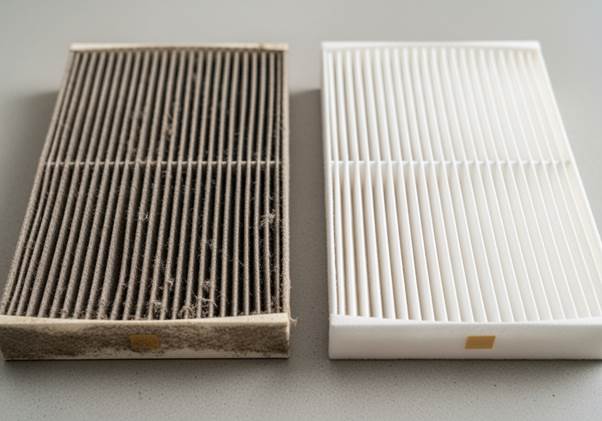
A clean HVAC system, free from obstructions, can boost energy efficiency, lowering your monthly utility expenses. When there are too many contaminants in the system, it has to work harder to generate the same results, causing an enormous waste of energy. Eliminating built-up dirt in your system over five or more years keeps your home cleaner by reducing circulated dust and ensures your system doesn’t have to overcompensate. Making sure that your system is running in top shape will also help it to last longer, extending the system’s lifespan by reducing wear and tear. Spending a little money on cleaning now could save you a lot of money on a costly repair down the road.
The Professional Duct Cleaning Process Explained
Professional ductwork cleaning is far more than just vacuuming out visible dirt. It’s a comprehensive process designed to remove contaminants from the entire HVAC system, ensuring optimal performance and air quality. The National Air Duct Cleaners Association (NADCA) emphasizes that “air duct cleaning” is a misnomer; in actuality, the entire HVAC system should be cleaned. Failure to clean all components can result in recontamination, minimizing the benefits of the cleaning. You can learn more about Proper Cleaning Methods directly from NADCA.
The process typically involves a two-stage approach: breaking contaminants loose from the system’s surfaces and then collecting these loosened contaminants.
Step 1: System Inspection
Before any cleaning begins, a professional technician will conduct a thorough inspection of your HVAC system. This involves visually assessing the condition of the ductwork, identifying potential access points, and determining the extent and type of contamination. They will look for signs of mold, excessive dust, debris, and any structural issues. This initial assessment helps tailor the cleaning approach and ensures all affected components, such as heat exchange coils, cooling coils, air flow control devices, and the blower motor, are included in the scope of work. It is highly recommended that HVAC systems be cleaned when an HVAC cleanliness inspection indicates that the system is contaminated with a significant accumulation of particulate or if microbial contamination conditions have reached either Condition 2 or Condition 3.
Step 2: Creating Negative Pressure
A crucial step in professional duct cleaning is to place the entire HVAC system under continuous negative pressure. This is achieved by connecting a powerful, truck-mounted or portable vacuum unit, often equipped with HEPA filtration, to the ductwork. The vacuum creates a sealed environment, preventing the spread of contaminants into your indoor living spaces during the cleaning process. This containment strategy is essential for preventing cross-contamination and ensuring that all dislodged debris is safely captured and removed from your home or business.
Step 3: Agitating and Loosening Debris
Once negative pressure is established, technicians use specialized agitation tools to dislodge contaminants from the interior surfaces of the ductwork and other HVAC components. These tools can include rotary brushes, air whips, compressed air nozzles, or “skipper balls” that steer through the ducts. Mechanical cleaning methods are employed to ensure that attached particulate and debris are effectively broken loose. This meticulous process ensures that all parts of the system, including the main trunk lines, branch ducts, and registers, are thoroughly cleaned. The loosened debris is then drawn into the powerful vacuum system, effectively removing it from the environment.
The Risks of DIY Duct Cleaning
While the idea of saving money by cleaning your ducts yourself might be tempting, the potential risks far outweigh any perceived benefits. DIY duct cleaning can lead to several problems:
- Duct Damage: Without proper training and specialized tools, you could inadvertently damage your ductwork, leading to leaks, reduced efficiency, and costly repairs. Flexible ducts are particularly susceptible to damage.
- Incomplete Cleaning: Household vacuums are not powerful enough to create the necessary negative pressure or dislodge deeply embedded contaminants. This often results in an incomplete cleaning, leaving behind significant amounts of dust and debris.
- Spreading Contaminants: An ineffective DIY attempt can actually spread contaminants further into your home. Without proper containment and filtration, dust, mold spores, and allergens can become airborne and settle in other areas, worsening indoor air quality.
- Lack of Proper Equipment: Professional duct cleaners use industrial-grade equipment, including powerful vacuums, specialized brushes, and air tools, designed specifically for the task. These tools are not readily available to the average homeowner.
For these reasons, it’s always recommended to entrust ductwork cleaning to qualified professionals.
How to Hire Reputable Albuquerque Certified Ductwork Services
Choosing the right professional for your ductwork cleaning needs is paramount to ensuring a thorough, safe, and effective service. The industry is regulated by organizations like the National Air Duct Cleaners Association (NADCA), which sets standards and certifies professionals. When seeking out a service, prioritize companies that demonstrate transparency, professionalism, and adherence to industry best practices.
The Importance of NADCA Certification
NADCA is the global trade association representing the HVAC inspection, cleaning, and restoration industry. Their role is critical in maintaining high standards across the field. NADCA certification signifies that a company’s technicians have undergone rigorous training, passed comprehensive exams, and are knowledgeable about the latest cleaning techniques and safety protocols. These certified professionals adhere to a strict code of ethics and follow NADCA’s ACR (Assessment, Cleaning & Restoration) Standard, which outlines the minimum requirements for HVAC system cleaning. Choosing a NADCA-certified company provides assurance that you are working with professionals committed to quality and safety.
Checklist for Finding a Qualified Professional
To help you steer the selection process, consider the following checklist:
- Verify Certification: Always ask for proof of NADCA certification. Reputable companies will readily provide this.
- Check Reviews and References: Look for online reviews, testimonials, and ask for references from past clients.
- Ask for Proof of Insurance: Ensure the company carries liability insurance to protect you in case of accidental damage.
- Get a Detailed Quote: A professional company will provide a written estimate after an initial inspection, detailing the scope of work, components to be cleaned, and the total cost. Be wary of “too-good-to-be-true” low prices often associated with scams.
- Inquire About Their Process: A qualified professional should be able to clearly explain their cleaning methodology, including the equipment they use (e.g., truck-mounted vacuums, HEPA filtration), and how they prevent cross-contamination.
- Confirm Compliance with Standards: Ask if they adhere to NADCA’s ACR Standard.
Finding Albuquerque Certified Ductwork Experts
When looking for ductwork cleaning services, especially in specific regions like Albuquerque, it’s beneficial to seek out local experts. These professionals often have a better understanding of regional environmental factors that might impact ductwork contamination, such as local pollen counts, dust, or specific humidity levels. They can provide professional assessments custom to your specific needs, whether for residential or commercial properties. For those in the area, finding Albuquerque certified ductwork professionals ensures access to local expertise and reliable service.
Frequently Asked Questions About Ductwork Cleaning
We often encounter common questions from homeowners and business owners regarding ductwork cleaning. Here are some of the most frequently asked:
How often should I have my air ducts cleaned?
While there’s no universal “one-size-fits-all” answer, a general guideline suggests having your air ducts cleaned every 3 to 5 years. However, several factors can influence this frequency:
- Pets: Homes with furry friends tend to accumulate more pet dander and hair in the ductwork, warranting more frequent cleaning.
- Smokers: Tobacco smoke residue can build up in ducts, affecting air quality and requiring more regular cleaning.
- Recent Renovations or Construction: Dust and debris from construction can heavily contaminate ductwork, making a post-renovation cleaning essential.
- Allergies or Asthma Sufferers: If anyone in your household experiences severe allergies or asthma, more frequent cleaning (e.g., every 2-3 years) might be beneficial to minimize irritants.
- Water Contamination or Mold Growth: If your ducts have been exposed to water or show signs of mold, immediate cleaning and remediation are necessary.
- New Home Occupancy: It’s often a good idea to have ducts cleaned when moving into a new home, especially if the previous owners’ history is unknown.
What are the signs my ducts need cleaning?
Your home or business often provides clear indicators that your ductwork is due for a cleaning:
- Visible Dust from Vents: If you notice dust plumes coming out of your supply registers when the HVAC system turns on, it’s a strong sign of dirty ducts.
- Mold Growth: Visible mold on or near your registers, or a persistent musty odor throughout your home, can indicate mold growth within the ductwork.
- Musty Odors: Unpleasant, stale, or musty smells that persist even after general cleaning can originate from contaminants in your ducts.
- Increased Allergy Symptoms: If residents experience a sudden increase in allergy symptoms, respiratory issues, or unexplained illnesses, dirty ducts could be contributing.
- Pest Infestation: Evidence of rodents or insects in your ductwork (e.g., droppings, nests) necessitates immediate cleaning and sealing.
- Uneven Airflow: While not always duct-related, restricted airflow due to debris can lead to some rooms being hotter or colder than others.
What’s the difference between residential and commercial services?
While the core principles of duct cleaning remain the same, there are notable differences between residential and commercial services:
- System Size and Complexity: Commercial HVAC systems are typically much larger, more complex, and often serve multiple zones or buildings. This requires more extensive equipment and specialized expertise.
- Equipment Scale: Commercial cleaning often necessitates larger, more powerful vacuum trucks and a wider array of specialized tools to handle the larger ductwork and higher volumes of contaminants.
- Compliance Standards: Commercial properties often have stricter indoor air quality regulations and require documentation of cleaning processes for health and safety compliance.
- Scheduling: Commercial cleaning projects often need to be scheduled outside of regular business hours to minimize disruption to operations.
- Project Scope: Commercial projects may include cleaning exhaust systems, kitchen hoods, and other specialized ventilation systems in addition to standard HVAC ducts. HVAC restoration, for instance, might be more common in commercial settings following events like fire or water damage, involving cleaning beyond just the ducts to include other system components.
Conclusion
The air we breathe indoors is fundamental to our health and well-being. By understanding the critical role of your ductwork and the benefits of professional cleaning, you can make informed decisions to create a healthier, more efficient living or working environment. From improving indoor air quality and alleviating allergy symptoms to boosting HVAC energy efficiency and extending system lifespan, the advantages of clean ducts are clear.
Choosing a qualified, certified professional is key to ensuring a comprehensive and effective cleaning. Don’t let hidden contaminants compromise your indoor air. Take the proactive step towards a cleaner, healthier space. Breathe easier, knowing your ductwork is clean and your HVAC system is running optimally.