

When Scottsdale’s temperatures drop, a reliable furnace isn’t just a luxury; it’s a necessity for comfort and safety. Dealing with a malfunctioning heating system can be stressful, especially when you’re looking for affordable furnace repair in Scottsdale, AZ. We understand the challenge of ensuring your home stays warm without breaking the bank. This guide will help you navigate common furnace issues, understand repair options, and find trustworthy, cost-effective solutions to keep your heating system running smoothly throughout the cooler months.
In a desert climate like Scottsdale’s, furnaces face unique challenges, including dust accumulation and long idle periods. We will explore the common signs that indicate your furnace needs attention, helping us diagnose problems early. We’ll also cover typical repair costs and discuss when it’s more economical to repair versus replace your unit. Understanding these factors is key to making informed decisions and ensuring your home remains comfortable and safe. We will also share tips on finding reliable service providers and the benefits of regular maintenance for optimal performance and longevity. For a comprehensive look at top-tier HVAC services, consider exploring options from award-winning affordable furnace repair Scottsdale. We aim to provide you with the knowledge needed to handle any furnace situation with confidence.
Ready to ensure your furnace is reliable and efficient? Schedule your service today.
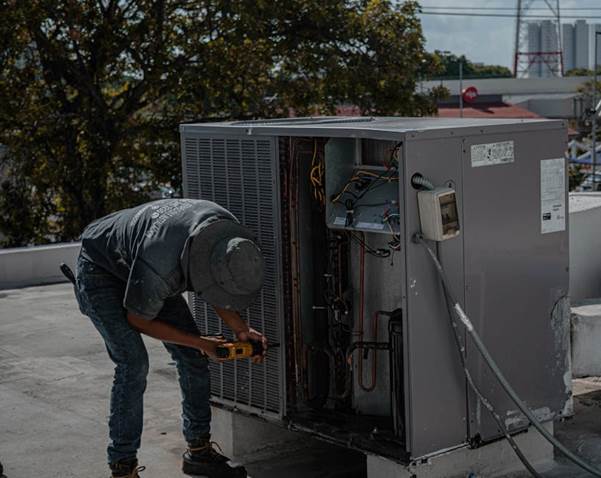
Scottsdale’s unique desert environment presents distinct challenges for home heating systems. While the scorching summers demand robust air conditioning, the cooler winter nights and mornings make a reliable furnace equally essential. Our HVAC systems endure extreme temperature swings, significant dust accumulation, and extended periods of dormancy, all of which can affect performance and longevity. This is where professional, high-quality HVAC services become indispensable.
The dry, dusty conditions typical of the desert can lead to increased wear and tear on furnace components. Dust and debris can clog filters, restrict airflow, and accumulate on sensitive parts, forcing the system to work harder and reducing its efficiency. Furthermore, abrupt temperature shifts from day to night can stress mechanical and electrical components. Without proper care, these factors can accelerate system degradation, leading to premature breakdowns and costly repairs.
Engaging with Scottsdale HVAC Experts ensures that your heating system receives specialized attention tailored to the local climate. These experts understand the specific stressors placed on furnaces in the region and employ strategies to mitigate them. Their services go beyond simple fixes, focusing on performance optimization and safeguarding your indoor air quality. Regular inspections and tune-ups by certified professionals help maintain optimal system function, ensuring consistent comfort and residential safety.
Standards of Excellence in Award-Winning HVAC Services
When seeking furnace repair or maintenance, it’s crucial to choose providers who uphold high standards. This typically involves several key indicators:
- Certified Technicians: Reputable companies employ technicians who are not only experienced but also hold industry certifications. These certifications signify a deep understanding of various HVAC systems and the latest repair techniques.
- Industry Benchmarks: Leading service providers adhere to industry best practices for diagnostics, repair, and installation. They use advanced tools and follow rigorous safety protocols, especially when working with gas furnaces, to prevent hazards such as carbon monoxide leaks.
- Technical Expertise: A hallmark of excellent service is the ability to accurately and efficiently diagnose complex issues. Technicians should be proficient in troubleshooting various furnace types and models, including gas, electric, heat pumps, and high-efficiency units.
- Safety Protocols: Given the inherent risks associated with heating systems, particularly gas furnaces, strict safety procedures are paramount. This includes thorough inspections for gas leaks, proper ventilation checks, and electrical safety assessments.
Long-Term Benefits of Award-Winning HVAC Services
Investing in quality HVAC services offers significant long-term benefits for homeowners in Scottsdale:
- Energy Efficiency: Well-maintained furnaces operate more efficiently, consuming less energy to heat your home. This translates directly into lower utility bills, a major advantage in a region with fluctuating energy demand.
- Preventative Care: Regular tune-ups and inspections can identify minor issues before they escalate into major, expensive breakdowns. This proactive approach extends your furnace’s lifespan and reduces the likelihood of unexpected failures during the peak heating season.
- Consistent Comfort: A properly functioning furnace provides reliable and consistent heating throughout your home, eliminating cold spots and ensuring a comfortable living environment, even on the chilliest desert nights.
- Reduced Wear and Tear: Professional maintenance helps minimize stress on system components, reducing wear and tear. This not only prolongs your furnace’s life but also maintains its operational reliability, giving you peace of mind.
- Improved Air Quality: Regular filter changes and system cleaning, often included in comprehensive HVAC Services, help improve indoor air quality by reducing dust, allergens, and other airborne contaminants.
Identifying Common Indicators for Professional Furnace Intervention
Recognizing the early signs of furnace trouble can save you from a complete system breakdown and potentially more expensive repairs. In Scottsdale, where furnaces might sit idle for extended periods, these indicators can be particularly subtle at first. Being vigilant allows us to address issues promptly and maintain optimal home comfort. Here are some common signs that your furnace needs professional attention:
- Uneven Heating or Cold Spots: If some rooms in your home are warm while others remain chilly, your furnace might be struggling to distribute heat effectively. This could be due to issues with the blower motor, ductwork, or even the thermostat.
- Unusual Noises: Furnaces are not entirely silent, but new or louder noises are red flags.
- Rattling sounds might indicate loose panels, a failing blower motor, or debris inside the unit.
- Screeching or squealing often points to a worn-out fan belt or a motor bearing that needs lubrication or replacement.
- Banging or popping sounds could signal issues with the burner or ductwork expanding and contracting too rapidly.
- Strange Odors: Any unusual smell emanating from your vents should prompt concern.
- A burning smell could be dust burning off the heat exchanger (common at the start of the season), but it can also indicate electrical issues or a clogged filter.
- A sulfur or rotten egg smell is a serious warning sign of a natural gas leak, requiring immediate evacuation and contacting emergency services.
- A musty odor often suggests mold growth in the ductwork or within the unit.
- Weak Airflow or Low Heat Output: If the air coming from your vents is weak or blowing cool air when it should be warm, your furnace isn’t performing as it should. This can be caused by a clogged air filter, a malfunctioning blower, or issues with the heat exchanger.
- Yellow Pilot Light: For gas furnaces, the pilot light should typically be a strong blue flame. A yellow or orange flame can indicate incomplete combustion, which can produce dangerous carbon monoxide. This requires immediate professional inspection.
- Frequent Cycling On and Off: If your furnace turns on and off more frequently than usual, it’s “short cycling.” This can be due to an oversized unit, a clogged filter, a faulty thermostat, or other internal issues, leading to inefficiency and increased wear.
- Rising Energy Bills: A sudden and unexplained increase in your heating costs, without a corresponding change in usage, often signals that your furnace is working harder than it should to maintain the desired temperature. This inefficiency can be due to a variety of problems that a professional can diagnose.
Common Warning Signs:
- Inconsistent room temperatures
- Loud or unusual operational noises (rattling, screeching, banging)
- Unpleasant smells (burning, sulfur, musty)
- Reduced air circulation or cool air from vents
- Discolored pilot light (yellow/orange)
- Furnace turning on and off too frequently
- Unexpected spikes in utility bills
If you observe any of these signs, it’s advisable to contact a professional for furnace repair to prevent further damage and ensure the safety and efficiency of your heating system.
Strategic Maintenance and the Annual Tune-Up Process
Regular furnace maintenance is not just a recommendation; it’s a strategic investment in the longevity, efficiency, and safety of your heating system, especially in Scottsdale’s climate. An annual tune-up, ideally performed before the heating season begins, can prevent unexpected breakdowns and keep your utility bills in check. The benefits of regular heating services are substantial, from extending the unit’s lifespan to ensuring safe operation.
A comprehensive furnace tune-up typically involves a multi-point inspection and adjustment performed by a certified technician. Here’s what’s usually included:
- Heat Exchanger Inspection: This critical component separates combustion gases from the breathable air. Technicians inspect for cracks or corrosion, which could lead to dangerous carbon monoxide leaks.
- Blower Motor Check and Lubrication: The blower motor circulates air throughout your home. The technician will inspect its operation, clean its components, and lubricate moving parts to ensure smooth, efficient airflow.
- Thermostat Calibration: Ensuring your thermostat is accurately calibrated guarantees precise temperature control and prevents your system from overworking or underperforming.
- Filter Replacement: A dirty air filter is one of the most common causes of furnace inefficiency and breakdowns. Technicians will inspect and replace filters to improve airflow and indoor air quality.
- Electrical Connections Tightening: Loose electrical connections can pose a fire hazard and cause system malfunctions. Technicians will check and tighten all wiring for safety and reliability.
- Gas Pressure Check: For gas furnaces, proper gas pressure is essential for safe and efficient combustion. The technician will verify and adjust pressure as needed.
- Carbon Monoxide Testing: This vital safety check ensures that no harmful carbon monoxide gas is leaking into your home.
- Burner Cleaning and Adjustment: Clean burners to ensure efficient fuel combustion. Technicians will clean and adjust them for optimal performance.
- Ignition System Check: Whether it’s a pilot light or an electronic ignition, the system will be checked to ensure reliable starting.
- Ductwork Inspection: Although not always a full cleaning, technicians will often inspect accessible ductwork for leaks or blockages that could impact efficiency.
This meticulous process ensures that all components are functioning correctly, preventing minor issues from escalating into major problems. In Scottsdale’s dusty environment, regular cleaning of internal components and frequent filter changes are particularly important to combat dust accumulation that can hinder efficiency and performance.
Comparing Gas Furnace and Electric Heat Pump Maintenance Tasks:
Feature Gas Furnace Maintenance Electric Heat Pump Maintenance Primary Focus Combustion, gas lines, heat exchanger, carbon monoxide Refrigerant levels, coils, compressor, reversing valve Key Inspections Pilot light/ignition, gas pressure, burner assembly Refrigerant lines, outdoor coil cleanliness, fan motor Safety Checks Carbon monoxide detection, gas leak checks Electrical connections, capacitor checks Common Adjustments Burner flame adjustment, gas valve settings Refrigerant charge adjustment, thermostat calibration Filter Importance Critical for airflow and preventing dust buildup Critical for airflow and protecting indoor coil from dust Electrical Checks Blower motor, control board, wiring Compressor, fan motor, control board, wiring Seasonal Timing Annually, ideally in fall before heating season Bi-annually, in spring (for cooling) and fall (for heating) By understanding what goes into a strategic tune-up, homeowners can appreciate the value of professional maintenance and the peace of mind it brings.
Navigating the Decision: System Repair Versus Full Replacement
One of the most challenging decisions a homeowner faces when their furnace acts up is whether to repair it or invest in a full replacement. This choice often boils down to a balance of immediate cost, long-term savings, and the overall reliability of your heating system. We consider several factors when guiding our clients through this decision, especially in a climate like Scottsdale, where efficiency is key.
- Unit Age: The age of your furnace is a primary consideration. Most furnaces have a lifespan of 15 to 20 years. If your unit is approaching or has exceeded the 15-year mark, replacement often becomes a more cost-effective option in the long run. Older units are typically less energy-efficient and more prone to frequent breakdowns.
- Frequency of Issues: A furnace that requires constant repairs is a money pit. If you find yourself calling for service multiple times a season, the cumulative cost of repairs can quickly outweigh the investment in a new, more reliable system.
- Technological Advancements: Modern furnaces and heating systems boast significant technological improvements in energy efficiency and performance. Upgrading to a high-efficiency model can lead to substantial savings on your utility bills over time, offsetting the initial replacement cost.
- Energy Consumption: Older furnaces are notoriously inefficient, consuming more energy to produce the same amount of heat as newer models. If your energy bills have been steadily climbing, even with regular maintenance, your furnace’s declining efficiency might be the culprit.
- Performance Decline: A furnace that struggles to maintain desired temperatures, produces weak airflow, or has noticeable cold spots throughout your home is a sign of waning performance. While some issues can be repaired, a consistent decline in performance might indicate that the system is simply wearing out.
- System Capacity: Sometimes a furnace is improperly sized for your home from the beginning, or your home’s heating needs may have changed (e.g., additions, improved insulation). An undersized unit will constantly overwork, while an oversized one will short-cycle, both leading to inefficiency and premature wear.
- Heat Pump Versatility: In Scottsdale, many homes use heat pumps that provide both heating and cooling. If your heat pump is failing, you might consider replacing it with a newer, more efficient model that can handle both functions effectively, ensuring year-round comfort.
- Gas vs. Electric Configurations: The type of furnace (gas or electric) also plays a role. Gas furnaces can be more complex to repair due to gas lines and combustion components, while electric furnaces might have different electrical system considerations. The cost and availability of parts can vary between types.
A useful guideline to consider is the “5,000 rule” (or similar variations, like the “50% rule”): if the cost of a repair is more than 50% of the cost of a new furnace, or if the repair cost multiplied by the unit’s age exceeds a certain threshold (e.g., $5,000), it’s generally more cost-effective to replace the system. This rule helps us put the repair cost into perspective against the investment in a new, more efficient, and reliable unit. We aim to provide comprehensive information and transparent recommendations to help you make the best decision for your home and budget.
Ensuring Reliability with Professional Heating Solutions
When your furnace needs attention, whether for a minor repair or a complete overhaul, securing reliable professional heating solutions is paramount. In Scottsdale, prompt, expert service can make all the difference, especially when unexpected issues arise during cooler temperatures. We prioritize connecting homeowners with services that guarantee peace of mind, offering expertise, accessibility, and robust customer protection.
- 24/7 Emergency Support: Furnace breakdowns rarely happen at convenient times. Many reputable HVAC providers in Scottsdale offer 24/7 emergency services, ensuring that help is available whenever you need it most. This rapid response is crucial for restoring comfort and safety, particularly during cold snaps. Providers often highlight their ability to respond quickly, with some offering same-day service for urgent issues.
- Response Times: In emergency situations, quick response times are critical. When researching service providers, inquire about their typical response window for urgent furnace repairs. Local companies with dedicated teams often can mobilize faster.
- Licensed Experts: Always verify that any technician working on your furnace is fully licensed. Licensing ensures that the individual has met specific training and competency standards required by the state. This is a fundamental aspect of ensuring quality and safety in furnace repair.
- Insured Providers: Opting for an insured HVAC company protects you from liability in case of accidents or damage during the repair process. This coverage safeguards both the homeowner and the technicians, demonstrating a company’s professionalism and responsibility.
- Parts Warranties: Reputable companies typically offer warranties on the parts they install during a repair. These can range from 1 to 2 years, providing assurance that if a new part fails prematurely, it will be replaced at no additional cost. For new furnace installations, extended parts warranties (e.g., 10 years) are common.
- Labor Guarantees: Beyond parts, a strong labor guarantee signifies a company’s confidence in its workmanship. Many providers offer a 90-day labor warranty, ensuring that if the repair isn’t satisfactory, they will return to address it.
- Workmanship Standards: High-quality service is reflected in the meticulousness of the work. This includes proper installation, thorough testing, and leaving the work area clean. Companies that adhere to high workmanship standards often receive positive customer testimonials and reviews.
- Customer Satisfaction: A strong commitment to customer satisfaction is a hallmark of a reliable service provider. Look for companies with high ratings and positive feedback, indicating a consistent track record of meeting customer needs and resolving issues effectively.
- Local Expertise: Companies with deep roots in Scottsdale, such as those with decades of experience serving the community, often possess invaluable local knowledge. They understand the specific challenges posed by the desert climate and can offer tailored solutions. Some companies, for example, have been providing heating and AC services for over 55 years, demonstrating long-standing reliability.
- Scottsdale Zip Codes: Many local service providers specifically mention serving various Scottsdale zip codes (e.g., 85250, 85252, 85254, 85255, 85256, 85257, 85258, 85259, 85260, 85251, 85261, 85262, 85266, 85267), ensuring they cover your specific area.
When seeking Affordable HVAC Services, it’s important to balance cost with the quality and reliability of the service. While upfront pricing and transparent quotes are important, ensuring the provider is licensed, insured, and offers warranties provides the best long-term value and peace of mind. To find a reliable and affordable furnace repair service, always check credentials, read customer reviews, and ask about their guarantees and warranties before committing to any work.
Frequently Asked Questions about Arizona Heating Systems
Homeowners in Scottsdale often have specific questions about their heating systems, particularly given the unique climate. Here, we address some of the most common inquiries to help you better understand and manage your furnace’s needs.
How does the Scottsdale climate impact furnace performance?
Scottsdale’s desert climate, characterized by long, hot summers and relatively mild but cool winters, has several distinct impacts on furnace performance and maintenance needs:
- Dust Buildup: The arid environment and frequent dust storms lead to significant dust and particulate matter in the air. This dust can quickly accumulate on furnace filters, coils, and internal components, restricting airflow and forcing the system to work harder. This increased strain reduces efficiency, raises energy consumption, and can lead to premature wear and tear. Regular filter changes (often quarterly or more frequently) are crucial.
- Long Idle Periods: Furnaces in Scottsdale often sit unused for many months during the long summer. This dormancy can lead to issues like seized bearings, clogged pilot lights, or corroded electrical connections. When the system is finally called upon in winter, these dormant issues can cause unexpected breakdowns.
- Sudden Temperature Drops: While daytime winter temperatures can be pleasant, nights and early mornings can experience significant drops. This requires the furnace to cycle on and off more frequently and work harder to maintain a comfortable indoor temperature, especially if the system is not properly sized or maintained.
- Component Strain: Constant cycling due to temperature fluctuations, combined with dust and long idle periods, places additional strain on mechanical and electrical components, potentially shortening their lifespans.
- Filtration Needs: Due to the high dust levels, advanced filtration systems or more frequent filter replacements are often recommended to protect the furnace and maintain indoor air quality.
What are the primary signs of a compromised heat exchanger?
A compromised heat exchanger is a serious safety concern, as it can allow dangerous carbon monoxide (CO) to leak into your home. Recognizing the signs is vital for safety.
- Unusual Odors: A strong, pungent odor, often described as formaldehyde-like or a burning smell, coming from your vents can indicate a cracked heat exchanger.
- Soot Accumulation: Visible soot or carbon deposits on the internal components of the furnace, especially around the burners or heat exchanger, is a clear sign of incomplete combustion and a potential crack.
- Visible Cracks: While homeowners may not always spot them, a professional technician can often identify visible cracks in the heat exchanger during an inspection. These cracks can expand and contract with heating cycles, making them difficult to detect without specialized tools.
- Carbon Monoxide Risks: The most dangerous consequence of a compromised heat exchanger is carbon monoxide poisoning. Symptoms of CO exposure include headaches, nausea, dizziness, confusion, and fatigue. If you suspect CO leakage, evacuate your home immediately and contact emergency services. A yellow or flickering pilot light is also a strong indicator of incomplete combustion and potential CO production.
Professional detection through annual inspections is the most reliable way to identify a compromised heat exchanger and ensure your family’s safety.
How often should residential heating systems be serviced in the desert?
Given the specific challenges of the Scottsdale climate, we recommend the following for residential heating system servicing:
- Annual Inspections: A professional furnace inspection and tune-up should be performed at least once a year. The ideal time is in the fall, just before the heating season begins. This allows technicians to identify and address any issues that may have developed during the long summer dormancy or that could be exacerbated by winter use.
- Pre-Season Tune-ups: Scheduling a tune-up in the fall ensures your system is clean, efficient, and ready to handle the cooler temperatures without unexpected breakdowns. This preventative measure is far more cost-effective than emergency repairs.
- Filter Quarterly Changes: Due to the high dust levels in Scottsdale, we advise checking and replacing your furnace air filter every 1-3 months, or at least quarterly. A clean filter is crucial for maintaining good airflow, protecting internal components, and ensuring efficient operation.
- Proactive Adjustments: Regular servicing enables proactive adjustments and minor repairs, helping prevent small issues from escalating into major, costly problems. This extends your furnace’s lifespan and maintains its energy efficiency.
Following these maintenance guidelines helps ensure your furnace operates safely, efficiently, and reliably throughout Scottsdale’s heating season. For more information on maintaining your system, consider reviewing resources on Furnace Repair Scottsdale.
Conclusion
Ensuring the reliability of your furnace is fundamental to maintaining home wellness and comfort in Scottsdale’s unique desert climate. From recognizing the early signs of trouble to understanding the benefits of strategic maintenance, proactive care is key. We’ve explored the common indicators that signal a need for professional intervention, the comprehensive steps involved in an annual tune-up, and the critical decision-making process between repairing and replacing your heating system.
By partnering with licensed, insured, and experienced HVAC professionals, you not only address immediate repair needs but also invest in your home’s long-term efficiency and safety. Their expertise ensures your system receives the specialized attention needed to combat the effects of dust, temperature fluctuations, and prolonged dormancy. This expert oversight translates into consistent comfort, lower energy bills, and peace of mind, allowing you to fully embrace the Arizona living standards year-round. Don’t wait for a breakdown to consider your heating system; embrace proactive care to keep your furnace ready to keep your home warm and comfortable.