

Slab leaks are among the most severe yet subtle threats to a home’s foundation. If unnoticed, they can silently cause extensive damage, making early identification critical for every homeowner. Understanding and promptly responding to potential slab leaks can save thousands in repairs and protect the value of your property. For residents seeking professional help, Slab leak detection & repair in Ruston offers reliable solutions.
Addressing slab leaks early not only minimizes repair costs but also preserves your home’s structural stability. By staying informed about the signs, tools, and preventive steps, you can proactively maintain your plumbing system and reduce the risk of devastating leaks.
Understanding Slab Leaks
A slab leak refers to any leak occurring in the water lines beneath a house’s concrete foundation. These water lines are constantly under pressure and can develop leaks due to age, shifting soil, pipe corrosion, or even improper installation during construction. Over time, even a small leak can hollow out sections beneath the slab, compromising the structural foundation and leading to water damage inside your home.
The consequences of letting a slab leak go undetected are significant—ranging from foundational cracks to dangerous mold growth. Beyond repair costs, lingering moisture can jeopardize indoor air quality and pose long-term health risks.
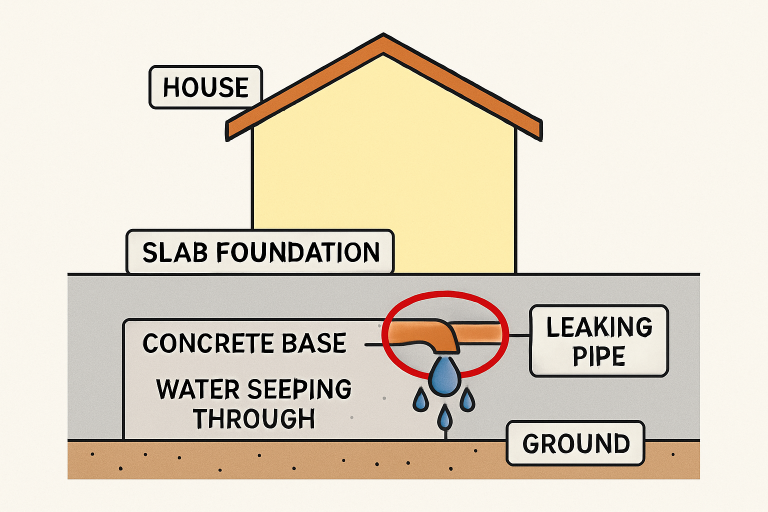
Common Signs of Slab Leaks
Detecting a slab leak early demands keen attention to subtle changes around your home’s foundation and plumbing system. Common warning flags include:
- Unexpected spikes in your monthly water bills that cannot be explained by seasonal changes or increased use. According to This Old House, recognizing these early signs can prevent significant structural damage.
- Warm spots on floors are often the result of hot-water-line leaks beneath the slab.
- Noticeable cracks forming in walls, ceilings, or flooring due to foundation movement.
- The sound of water running beneath floors when all faucets and fixtures are off.
- Mildew or mold, especially under carpets, signals underlying moisture issues.
Frequent inspection of these signs is essential, especially in older homes or those with a history of plumbing problems. Early recognition is often the difference between a quick fix and a major renovation project.
Tools and Techniques for Detection
Thanks to technological advancements, today’s plumbing professionals can detect slab leaks with greater accuracy and less invasive methods:
- Acoustic Listening Devices: These tools amplify the subtle sounds of water escaping from pressurized pipes beneath concrete. Technicians use specialized headphones and microphones to detect the precise location, reducing the need for demolition.
- Thermal Imaging Cameras: These cameras highlight temperature variations in the flooring, effortlessly detecting hot water leaks beneath the slab. Their non-intrusive nature speeds up the hunt for hidden leaks.
- Moisture Meters: Professionals use these to measure moisture levels in flooring and walls, helping locate otherwise invisible leaks.
- Pressure Testing: Isolating specific plumbing lines and subjecting them to pressure can help pinpoint leaks undetectable by other means.
Incorporating these tools into routine inspection and leak detection dramatically increases the likelihood of identifying and resolving leaks before they worsen.
Preventive Measures
Preventing slab leaks hinges on consistent home maintenance and a few practical interventions:
- Schedule regular plumbing inspections—an annual professional checkup can catch more minor issues before they escalate.
- Monitor household water pressure, ensuring it remains within a safe range for your pipes; high pressure significantly increases the risk of leaks.
- Consider installing a water softener if your area has hard water—mineral buildup in pipes can accelerate corrosion.
- Steer clear of chemical drain cleaners, as they can eat away at the inside of pipes, increasing the likelihood of leaks over time.
Being proactive about plumbing health not only preserves your home’s infrastructure but also adds peace of mind by reducing the likelihood of a plumbing emergency.
When to Call a Professional
While some slab leaks are indicated by telltale signs, only trained professionals have the expertise and equipment to locate and fix them accurately. If you suspect a slab leak or notice any warning signs, don’t delay—call a licensed plumber immediately. Professional slab leak repair involves advanced technology, site-specific solutions, and experience in minimizing property disruption while ensuring a lasting fix.
Remember, the quicker you act, the more you can mitigate long-term damage and costs associated with slab leaks.
Conclusion
Timely detection of slab leaks is a game-changer for homeowners, helping safeguard against expensive repairs and irreparable structural harm. Regularly monitor your home for early indicators, prioritize ongoing plumbing maintenance, and don’t hesitate to enlist expert help when warning signs arise. With vigilance and modern detection tools, you can ensure your property remains safe, stable, and leak-free for years to come.