Protecting our homes from such devastating plumbing emergencies is paramount. This article serves as your essential guide to understanding and implementing effective Kerrville winterize services and strategies.
We will explore crucial steps to insulate pipes, safeguard outdoor fixtures, maintain your water heater, and recognize the signs of frozen or burst pipes. By taking these proactive measures, we aim to help you ensure your home remains safe and sound through the coldest months.
The Texas Hill Country, with its unique climate and often unpredictable winter weather, presents distinct challenges for homeowners. While we cherish our mild winters, the occasional severe cold snap, like the one experienced in February 2021, can be catastrophic. That event saw temperatures plummet, leading to thousands of burst pipes and widespread plumbing emergencies not just in Kerrville, but also in neighboring communities like Fredericksburg. The aftermath highlighted a critical need for proactive winterization strategies.
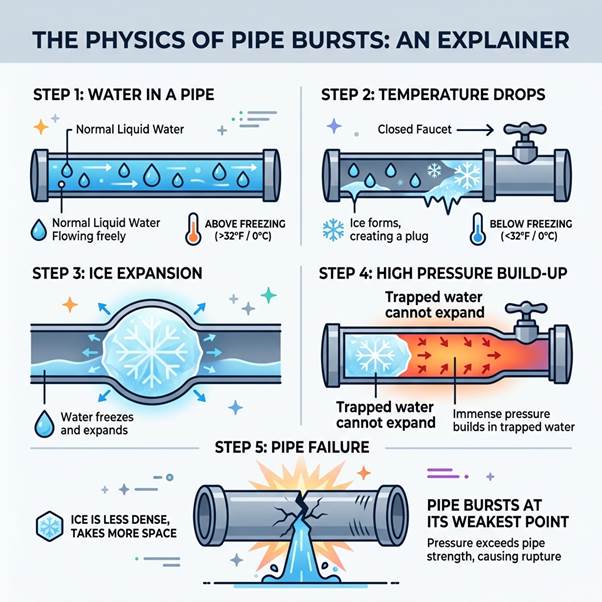
Why is winterizing plumbing so essential in our region? The core issue lies in the physics of water. When water freezes, it expands by about 9%. This expansion creates immense pressure within pipes, far exceeding what even robust plumbing materials can withstand. This pressure doesn’t just occur where the ice forms; it builds up between the ice blockage and a closed faucet, creating a “plug” that can cause the pipe to rupture at its weakest point, often far from the actual freeze. Insulating pipes and allowing faucets to drip during freezes are not merely suggestions; they are vital preventative measures that prevent this ice expansion from cracking pipes, potentially saving homeowners thousands in repair costs.
Beyond the immediate financial burden of repairs, burst pipes can lead to extensive water damage, mold growth, compromised structural integrity, and a significant decrease in property value. The regional soil conditions and water quality in the Texas Hill Country can also impact pipe longevity, making them more susceptible to damage over time. Older metal pipes, common in many Kerrville homes, are particularly prone to bursting when faced with freezing temperatures. Therefore, preventative maintenance isn’t just about avoiding a single incident; it’s about safeguarding your home’s long-term health and your peace of mind. Investing in professional plumbing winterization services is a smart decision that protects your assets and ensures your comfort when the unexpected cold arrives.
Essential Steps for Winterizing Your Home’s Water System
Preparing your home’s plumbing for winter involves a comprehensive approach, starting with effective insulation and extending to overall home efficiency. The goal is to keep water flowing and pipes protected from the damaging effects of freezing temperatures.
Proactive Plumbing Solutions for Indoor Pipes
One of the most effective steps to prevent pipes from freezing is proper insulation, especially for those located in unheated areas. This includes pipes found in attics, crawl spaces, basements, and even within exterior walls or garages. We recommend using foam pipe insulation sleeves, which are inexpensive and relatively easy to install. For pipes in extremely cold or hard-to-reach areas, heat tape with an automatic thermostat can provide an extra layer of protection, turning on only when temperatures drop to dangerous levels.
High-risk plumbing zones to focus on include:
- Pipes running along exterior walls
- Those in unheated basements or crawl spaces
- Water supply lines in attics
- Pipes under sinks against outside walls
- Hose-bib supply lines
- Any exposed piping in garages or utility closets
Beyond direct pipe insulation, sealing your home’s envelope plays a crucial role. Weatherstripping around doors and windows, along with sealing drafts around vents, electrical outlets, and plumbing penetrations, helps maintain a consistent indoor temperature. Thermal curtains can also add an extra layer of insulation to windows, reducing heat loss. This synergy with your HVAC system is critical; a well-sealed home requires less energy to heat, indirectly keeping your pipes warmer. For those considering larger upgrades, it’s worth investigating if any government or utility rebates are available for winterization upgrades like improved insulation or energy-efficient water heaters. These incentives can help offset the cost of making your home more resilient.
For indoor pipes, especially those on exterior walls, allowing a small, continuous drip from faucets during severe cold weather can be a lifesaver. This “moving water principle” prevents ice from forming and building pressure within the pipes. We specifically advise letting both hot and cold water drip from faucets that are connected to exterior walls. Additionally, open cabinet doors under sinks to allow warmer air from your home to circulate around the pipes, especially overnight or during prolonged freezes. Maintaining a consistent thermostat setting, even when you’re away, is also vital. Avoid drastic temperature drops, as this can quickly expose vulnerable pipes to freezing. Consider installing smart leak detectors near high-risk plumbing areas; these devices can alert you to potential issues before they escalate into major disasters.
Protecting Outdoor Fixtures and Water Heaters
Our outdoor plumbing fixtures are often the first to suffer when temperatures drop. Taking preventative measures for these components, as well as your water heater, is crucial for comprehensive winter protection.
Safeguarding Outdoor Faucets and Hoses
One of the simplest yet most effective steps is to disconnect all garden hoses from outdoor faucets (hose-bibs) before a freeze. Water trapped in a hose can freeze and expand back into the faucet, causing the pipe leading to it to burst. After disconnecting, drain any remaining water from the hoses and store them away. For the hose-bibs themselves, we recommend installing insulated covers. These inexpensive foam or hard-shell covers fit snugly over the faucet, providing a barrier against cold air.
Comparing Outdoor Faucet Protection:
Feature Foam Covers Fiberglass Wraps (DIY) Cost Very Low Low Ease of Use Very Easy (slip-on) Moderate (requires wrapping and securing) Effectiveness Good for most freezes Good, especially when combined with heat tape Durability Single season, may degrade with UV Multi-season if properly installed/protected Reusability Yes, if carefully removed and stored Yes, if intact Beyond faucets, if you have an irrigation system, it’s imperative to shut off its main water supply and drain the lines completely. Many systems have a “blow-out” port where compressed air can be used to clear all remaining water. Similarly, any pool plumbing should be properly winterized according to manufacturer guidelines, which often involves draining specific lines and covering equipment. Ensuring proper drainage around your home, such as clearing gutters and maintaining landscape grading, also protects underground pipes and your foundation from excessive moisture and potential freezing. For more tips on keeping your drainage systems clear, especially before heavy rains, you can refer to resources on Sewer Line Cleaning Crucial Before Rain.
Water Heater Plumbing Solutions for Cold Snaps
Your water heater is a critical component of your home’s plumbing system, and it also requires attention during colder months. While water heaters are designed to keep water hot, they are not immune to issues caused by extreme cold, especially if located in an unheated garage or basement.
We recommend setting your water heater’s thermostat to 120
0F or higher during winter. This temperature is generally considered safe for preventing scalding while also ensuring the water inside the tank remains well above freezing. However, never exceed 140
0F, as this can be a scalding hazard and lead to excessive energy consumption. Another crucial maintenance step is to drain a few gallons of water from the bottom of your water heater tank at least once a year. This removes sediment buildup, which can reduce efficiency and create cold spots where freezing could theoretically occur. During this process, inspect the anode rod, which prevents corrosion, and check the temperature and pressure relief (T&P) valve to ensure it’s functioning correctly. For tankless water heaters, descaling is an important annual maintenance task to ensure optimal performance.
Crucially, ensure there is no standing water around the base of your water heater. If water accumulates and freezes, it can cause irreparable damage to the unit. If your water heater is in an unheated space, consider insulating the tank itself with a water heater blanket (if it’s an older model, newer ones are often well-insulated) and insulating the first few feet of hot and cold water pipes connected to it. For any issues related to your water heater’s performance or to schedule a check-up, professional assistance for Water Heater Repair is always recommended.
Identifying and Managing Frozen Pipe Emergencies
Even with the best preventative measures, sometimes the unexpected happens. Knowing how to identify signs of frozen or burst pipes and what immediate actions to take can significantly minimize damage to your home.
Recognizing the Signs
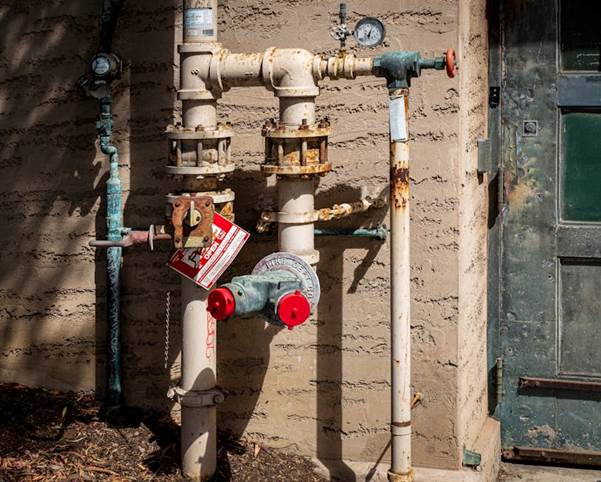
The first indication of a frozen pipe is often a noticeable reduction in water flow from a faucet, or a complete lack of water. You might also see frost on visible pipes in unheated areas. While a frozen pipe doesn’t immediately mean it has burst, it’s a strong warning sign. If the frozen water expands and cracks the pipe, you’ll soon see signs of a burst pipe. These include a sudden and significant drop in water pressure throughout your home, visible water leaks (even small drips can indicate a larger problem), water stains on ceilings or walls, or the sound of running water when no fixtures are in use. A sudden and unexplained spike in your water bill can also be a tell-tale sign of a hidden leak or burst pipe.
Immediate Actions for Emergencies
Your absolute first step in a suspected burst pipe emergency is to locate and use your main water shut-off valve. This valve controls the water supply to your entire home. Knowing its location and how to turn it off before an emergency is crucial. Common locations include:
- Where the main water line enters your home (often in the basement, crawl space, or near the water heater).
- Near your outdoor water meter.
- In a utility closet or garage. Once the water is shut off, open all faucets (both hot and cold) to help drain any remaining water from the system and relieve pressure.
If you suspect a pipe is frozen but not yet burst, you can attempt to thaw it gently. Use a hairdryer, heating pad, or towels soaked in hot water wrapped around the frozen section. Never use an open flame device, as this is a significant fire hazard and can damage pipes. Continue applying heat until water flow returns. If you cannot locate the frozen section, the pipe has burst, or you’re unsure how to proceed, it’s time to call a professional. Delaying action can lead to extensive structural damage, mold growth, and costly repairs. For any urgent plumbing issues, including burst pipes or other critical failures, don’t hesitate to seek Emergency Plumbing Repairs. Additionally, winter storms can bring other challenges, such as a When Sump Pump Stops in a Winter Storm, which also requires prompt attention. Professional plumbers can use specialized equipment, like moisture detectors, to assess the full extent of the damage and ensure proper repairs.
Frequently Asked Questions about Winter Plumbing
We understand that homeowners often have specific questions when it comes to preparing their plumbing for winter. Here are answers to some of the most common inquiries we receive:
Should I let my faucets drip during a freeze?
Yes, absolutely. During periods of severe freezing temperatures, we highly recommend letting both hot and cold water drip slowly from faucets, especially those on exterior walls. The continuous movement of water, even a small trickle, helps prevent ice from forming and building pressure within the pipes. This simple action can be the difference between a minor inconvenience and a costly burst pipe repair.
How do I locate my main water shut-off valve?
Knowing the location of your main water shut-off valve is critical for any plumbing emergency. It’s typically found in one of a few places:
- Outside the home: Often near your water meter, sometimes in an underground box with a removable lid.
- Inside the home: Where the main water line enters the house, usually in a basement, crawl space, utility closet, or garage.
- Near the water heater: In some setups, the main shut-off is located close to the water heater. Familiarize yourself with its location and practice turning it off and on (slowly) before an emergency arises.
What are the first signs of a burst pipe?
The earliest signs of a burst pipe can include a sudden and significant drop in water pressure throughout your home, visible water leaking from walls or ceilings, water stains appearing where they shouldn’t, or the sound of running water inside your walls when no faucets are open. Another subtle but important sign is an unexpected increase in your water bill, which can indicate a hidden leak. If you notice any of these signs, immediately shut off your main water supply and contact a professional plumber.
Conclusion
As we approach April 2026 and prepare for future seasons, the lessons learned from past severe weather events in the Texas Hill Country underscore the enduring importance of proactive plumbing winterization. Taking the time to implement these essential stepsfrom insulating pipes and protecting outdoor fixtures to properly maintaining your water heater and understanding emergency protocolsis an investment in your home’s longevity and your family’s peace of mind.
Regular maintenance is the cornerstone of preventing winter plumbing disasters. By addressing potential vulnerabilities before the cold sets in, you can avoid the stress, expense, and extensive damage associated with frozen and burst pipes. The resilience of our Kerrville community is built on preparedness, and that includes safeguarding our homes from the elements.
We encourage all homeowners to prioritize these winterization strategies. For ongoing plumbing health and to prepare for the warmer months, consider our Spring Tips to Prevent Leaks and Water Damage. For comprehensive plumbing services in the area, a trusted Kerrville Plumber can provide expert assistance year-round, including routine Drain Cleaning to keep your systems running smoothly.
Don’t wait for a crisis to act. Embrace seasonal readiness and ensure your home is protected.
Get a Free Estimate… Call the Pros! 210-626-8525