

The presence of carbon monoxide (CO) in your home is a serious concern, even at seemingly low levels. This invisible, odorless gas can pose significant health risks, making understanding its concentration crucial for your family’s safety. For example, knowing the implications of 50 parts per million (ppm) of CO can be life-saving. We recognize that reliable HVAC and plumbing services are key to preventing such dangers. This guide will explore the importance of 50 ppm CO, its health effects, and how professional maintenance and monitoring help ensure a safe and comfortable living environment.
Learn more about comprehensive home safety here | Schedule your HVAC & Plumbing CO safety check today
Carbon monoxide (CO) is a silent, invisible threat that can turn your home into a dangerous place. Even low levels, like 50 parts per million (ppm), can pose serious health risks if not addressed. We understand how crucial it is to ensure your indoor environment is safe, especially when relying on HVAC and plumbing systems that can be sources of this gas. This guide will help you understand the significance of 50 ppm CO, its health effects, and how proper maintenance and monitoring can protect your family. We are committed to helping homeowners create a truly safe and comfortable living space.
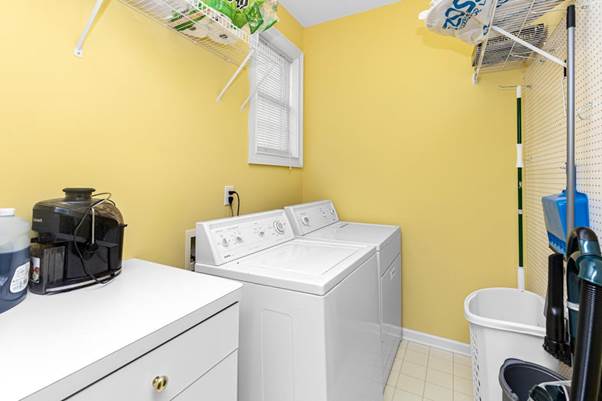
A well-maintained home utility room, showcasing the importance of indoor air quality and combustion safety. Understanding common sources of CO in residential properties is crucial for home safety.
The Significance of 50 PPM Carbon Monoxide Exposure
When we talk about carbon monoxide, 50 ppm is a critical threshold. This concentration is widely recognized by various health and safety organizations as a level that demands attention, particularly in occupational settings, and serves as a significant indicator of potential danger in residential environments. For healthy adults, CO becomes toxic when it reaches a level higher than 50 ppm.
The primary danger of CO lies in its ability to displace oxygen in the blood. When inhaled, CO readily binds with hemoglobin, the protein in red blood cells responsible for carrying oxygen. This forms carboxyhemoglobin (COHb), which prevents oxygen from reaching vital organs like the heart and brain. Even at 50 ppm, prolonged exposure can lead to a gradual buildup of COHb, reducing the body’s oxygen-carrying capacity and causing subtle, yet harmful, health effects. While acute symptoms like severe headache, nausea, and dizziness are typically associated with much higher concentrations, 50 ppm represents a level where health impacts become a serious concern, especially over an extended period.
A digital carbon monoxide monitor displaying a reading, emphasizing the importance of accurate detection.
To illustrate how 50 ppm compares to other CO exposure limits, consider that natural atmospheric CO levels are typically around 0.1 ppm. Even 9 ppm is recognized by the EPA and WHO as the maximum outdoor air level over an 8-hour period, and the lowest level producing significant effects on cardiac function in individuals with coronary artery disease during exercise. Therefore, 50 ppm is substantially higher than what is considered safe for continuous, long-term exposure, highlighting its significance as a warning level.
Understanding Regulatory Standards
Several authoritative bodies have established guidelines and regulations for CO exposure, with 50 ppm frequently appearing as a key benchmark, particularly in occupational safety. These standards aim to protect individuals from both immediate and long-term health consequences.
The Occupational Safety and Health Administration (OSHA), for instance, sets its Permissible Exposure Limit (PEL) for carbon monoxide at 50 ppm. This means workers should not be exposed to more than 50 parts of CO gas per million parts of air, averaged over an 8-hour time period. OSHA’s standards are legally enforceable and prohibit worker exposure above this limit. For specific scenarios, such as maritime operations, the 8-hour PEL remains 50 ppm, but workers must be removed from exposure if CO concentrations exceed 100 ppm. In roll-on roll-off (Ro-Ro) operations, a peak CO level of 200 ppm is recognized.
The National Institute for Occupational Safety and Health (NIOSH), while not a regulatory body, provides Recommended Exposure Limits (RELs) that are often more protective than OSHA’s PELs. NIOSH recommends a CO exposure limit of 35 ppm as an 8-hour time-weighted average (TWA). They also specify a short-term exposure limit (STEL) of 200 ppm for a 15-minute period, indicating that even brief excursions to higher levels are dangerous.
The American Conference of Governmental Industrial Hygienists (ACGIH) recommends a Threshold Limit Value – Time-Weighted Average (TLV-TWA) of 50 ppm for CO, aligning with OSHA’s 8-hour PEL. However, ACGIH also recommends a TLV-short-term exposure limit (STEL) of 400 ppm, which is a concentration to which workers can be exposed for a short, continuous period without suffering from irritation, chronic or irreversible tissue damage, or narcosis of sufficient degree to increase accidental injury, impair self-rescue, or materially reduce work efficiency.
These varying, yet often overlapping, limits underscore the importance of 50 ppm as a critical level. While some organizations recommend lower long-term exposure limits, 50 ppm is consistently identified as a threshold that requires immediate attention and protective measures.
Organization Exposure Limit (Time-Weighted Average) Short-Term/Ceiling Limit Notes OSHA 50 ppm (8 hours) – Permissible Exposure Limit (PEL) NIOSH 35 ppm (8 hours) 200 ppm (15 minutes) Recommended Exposure Limit (REL) ACGIH 50 ppm (8 hours) 400 ppm (STEL) Threshold Limit Value (TLV) EPA 9 ppm (8 hours) 35 ppm (1 hour) National Ambient Air Quality Standards (NAAQS) for outdoor air WHO 9-10 ppm (8 hours) 25-35 ppm (1 hour), 90-100 ppm (15 minutes) Recommended maximum levels Maintaining Safety with Professional HVAC and Plumbing Services
While regulatory bodies often focus on occupational settings, the principles of limiting CO exposure are equally vital in our homes. Many common household appliances, particularly those that burn fuel, can produce carbon monoxide. This is where professional HVAC and plumbing services become indispensable in safeguarding your home.
Occupational settings where workers might encounter CO levels around 50 ppm include boiler rooms, warehouses, petroleum refineries, and steel production facilities. These environments often utilize combustion processes that generate CO. Similarly, in residential settings, improperly functioning or poorly maintained fuel-burning appliances are the primary culprits. These include gas furnaces, water heaters, gas stoves, fireplaces, and even clothes dryers. Even a properly operating furnace can have flue gases containing around 20 ppm of CO, so any malfunction can quickly elevate levels.
We emphasize that regular maintenance and expert oversight are the cornerstones of CO prevention. Professional technicians can identify and rectify issues before they become dangerous. For instance, an annual inspection, cleaning, and tune-up of your central heating system by a trained professional can detect potential carbon monoxide leaks and ensure efficient combustion. This proactive approach significantly reduces the risk of CO buildup.
Beyond furnaces, other household appliances require attention. Gas stoves should be properly adjusted and vented, ideally with an exhaust fan vented to the outdoors. Fireplaces need open flues when in use, and wood stoves should be properly sized, EPA-certified, and have tightly fitting doors. Even portable generators, if used incorrectly, are a significant source of CO poisoning; they should never be used inside homes, garages, or any enclosed space. Furthermore, idling cars inside a garage can rapidly increase CO to dangerous levels. To learn more about comprehensive strategies for preventing CO leaks, explore our guide on how to reduce the chance of a carbon monoxide leak in the home.
For robust protection, consider scheduling an HVAC & Plumbing CO safety check. Our comprehensive services are designed to address all potential CO sources within your home’s vital systems, ensuring they operate safely and efficiently.
A skilled technician meticulously inspecting a gas furnace, highlighting the importance of professional HVAC maintenance for safety.
Optimizing Ventilation through HVAC and Plumbing Services
Effective ventilation is crucial in preventing CO accumulation. HVAC systems play a vital role in ensuring adequate fresh air circulation and proper exhaust of combustion byproducts. Our services focus on optimizing these systems to maintain healthy indoor air quality.
Properly functioning exhaust fans, especially in kitchens and bathrooms, help remove combustion gases and other pollutants. We also address pressure balancing within your home. Negative pressure, for example, can draw combustion gases back into living spaces from flues or chimneys. Ensuring adequate makeup air for exhaust systems and combustion appliances is critical to prevent this backdrafting.
Furthermore, the integrity of venting systems for furnaces, water heaters, and other fuel-burning appliances is paramount. Blockages, cracks, or disconnections in these vents can allow CO to escape into your home. Our technicians meticulously inspect these systems to ensure they are sealed, clear, and correctly routed.
Considering the importance of early detection, we also recommend installing carbon monoxide detectors strategically throughout your home. If you’re in the Indianapolis area, understanding should you install carbon monoxide detectors in your indianapolis home can provide valuable local insights. These detectors work in conjunction with proper ventilation and appliance maintenance to provide a layered defense against CO poisoning.
Detection and Monitoring Strategies for Homeowners
Given CO’s insidious nature, reliable detection and monitoring are non-negotiable for home safety. For homeowners, this primarily means installing and maintaining carbon monoxide alarms.
Modern CO alarms are designed to meet stringent safety standards, such as UL 2034, which specifies performance requirements for CO alarms intended for residential use. These standards dictate specific alarm thresholds to balance responsiveness with avoiding nuisance alarms. For instance, a UL-certified alarm will typically not sound below 30 ppm for 30 days, but will alarm at 70 ppm within one to four hours, at 150 ppm within 10 to 50 minutes, and at 400 ppm within four to 15 minutes. This tiered response ensures that homeowners are alerted to dangerous levels before severe health effects occur.
Understanding why your home needs carbon monoxide detectors is the first step. These devices are your invisible guardians, constantly scanning for the presence of this deadly gas. While rare, sometimes a CO detector might seem to go off for no apparent reason. Our article, can a carbon monoxide detector go off for no reason, delves into common causes for such occurrences, from low batteries to end-of-life alerts, helping you differentiate between a false alarm and a genuine threat.
For optimal protection, install CO alarms on every level of your home, especially near sleeping areas and where fuel-burning appliances are located. Regular testing and battery replacement (if applicable) are crucial. For those seeking professional assistance with their CO detection systems, our carbon monoxide detector services in fishers in offer expert installation, testing, and maintenance.
While calibration gas (like a 50 ppm CO in air mixture) is primarily used by professionals to test and calibrate gas detection equipment, its existence underscores the importance of accurate measurement at this specific concentration. For homeowners, relying on certified CO alarms that are regularly serviced is the equivalent best practice. Fixed CO detectors provide continuous monitoring in specific locations, while portable detectors can offer flexibility for temporary work sites or when traveling.
A modern, wall-mounted carbon monoxide alarm providing constant vigilance for home safety.
Long-Term Health Risks of Chronic Exposure
The immediate dangers of high CO levels are well-known, but the potential long-term effects of repeated or chronic exposure to lower concentrations, even around 50 ppm, are equally concerning. Even low levels of CO over extended periods can impact brain chemistry and overall health.
One of the most vulnerable populations is fetuses. Chronic exposure to CO levels as low as 25 ppm during pregnancy has been shown to damage fetal brain cells, potentially leading to permanent impairment. Similarly, exposure to 5-6 ppm during the last trimester carries a significant risk of low birth weight. This highlights the heightened sensitivity of developing systems to CO.
In adults, prolonged exposure to CO, even at levels around 50 ppm, can lead to subtle but significant health issues. The heart and cardiovascular system are primary targets. Studies have indicated an increased risk of hospitalization from cardiovascular disease for individuals exposed to even 1 ppm increases in daily one-hour CO exposure. This is because CO reduces oxygen supply to the heart, exacerbating conditions like angina and increasing cardiovascular stress. The central nervous system is also highly susceptible, with long-term exposure potentially leading to cognitive deficits, memory problems, and other neurological issues. While the effects might not be as dramatic as acute poisoning, the cumulative impact can significantly diminish quality of life and overall health.
Mitigation and Emergency Response Protocols
Knowing the risks is only half the battle; understanding how to respond when CO levels reach 50 ppm or higher is critical for survival. When a CO alarm sounds, or if you suspect CO poisoning, immediate action is required.
The first and most crucial step is to evacuate everyone from the affected area and get to fresh air. This means opening windows and doors if safe to do so, but primarily moving outdoors. Delay can be fatal. Once safely outside, call 911 or your local emergency services immediately. Do not re-enter the building until emergency responders have confirmed it is safe. Our guide on how to stay safe from carbon monoxide in the home offers more detailed steps for emergency situations.
Symptoms of CO poisoning can be subtle and mimic the flu, including headache, fatigue, dizziness, nausea, and confusion. At 100 ppm, symptoms like headache and nausea can appear within two hours. At 200 ppm, NIOSH and OSHA recommend evacuation of the workplace due to headache and nausea in healthy adults. If anyone in your household is experiencing these symptoms, especially if they improve when away from the home, seek immediate medical attention. Inform medical personnel of potential CO exposure. Treatment often involves administering 100% oxygen with a tight-fitting mask to help displace CO from the blood. In severe cases, or if the victim has stopped breathing, cardiopulmonary resuscitation (CPR) may be necessary.
Prevention is always the best mitigation. Regularly inspect and maintain all fuel-burning appliances, ensure proper ventilation, and install reliable CO detectors. These proactive measures drastically reduce the likelihood of ever needing to implement emergency protocols.
An open window providing essential ventilation, a critical first step in mitigating carbon monoxide exposure.
Frequently Asked Questions about HVAC and Plumbing Services
What happens if my CO detector reaches 50 ppm?
If your CO detector alarms at 50 ppm, it indicates a significant level of carbon monoxide. While not immediately life-threatening like much higher concentrations, it signals a dangerous condition that requires immediate action. You should evacuate everyone from the home, move to fresh air, and call your local emergency services (e.g., 911). Do not re-enter until the source of the CO has been identified and resolved by professionals, and the air quality has been deemed safe. Following this, we recommend contacting an HVAC professional to inspect all fuel-burning appliances and ventilation systems.
How often should fuel-burning appliances be inspected?
We strongly recommend that all fuel-burning appliances, including furnaces, water heaters, gas stoves, and fireplaces, be inspected, cleaned, and serviced annually by a qualified professional. This routine maintenance helps ensure they are operating safely and efficiently, minimizing the risk of CO leaks and other hazards. Regular inspections can identify issues like cracked heat exchangers, blocked flues, or improper combustion before they lead to dangerous CO levels.
Can poor plumbing ventilation cause carbon monoxide issues?
While plumbing systems themselves don’t typically produce carbon monoxide, poor plumbing ventilation can indirectly contribute to CO problems. For example, if a home’s plumbing system creates negative pressure due to inadequate venting or improper exhaust fan operation, it can cause backdrafting in combustion appliance flues. This means that instead of safely exiting through the chimney or vent, CO-laden flue gases are pulled back into the living space. Additionally, issues with water heater venting, which is often part of the plumbing system, can directly lead to CO leaks if the vent pipe is blocked, corroded, or improperly installed. Therefore, ensuring proper plumbing and HVAC ventilation is crucial for overall CO safety.
Conclusion
Understanding the implications of 50 ppm CO is paramount for ensuring a safe and comfortable home environment. This level, recognized by leading safety organizations as a critical threshold, underscores the silent danger that carbon monoxide poses. From the potential health effects of prolonged exposure to the stringent regulatory standards in occupational settings, the message is clear: CO at 50 ppm demands immediate attention and robust preventative measures.
We believe that a truly comfortable home is a safe home. This guide has highlighted how professional HVAC and plumbing services are integral to preventing CO leaks, optimizing ventilation, and maintaining healthy indoor air quality. By investing in annual inspections, ensuring proper appliance function, and installing reliable carbon monoxide detectors, homeowners can significantly mitigate the risks associated with this invisible threat.
Early detection and prompt action are key to protecting your loved ones. Don’t wait for symptoms to appear; prioritize your family’s safety with proactive maintenance and vigilant monitoring. Our commitment is to provide the professional oversight and expertise needed to safeguard your home, allowing you to relax in a truly secure and healthy living space.
A family enjoying a comfortable and safe indoor environment, symbolizing the peace of mind that comes with proper home maintenance and air quality monitoring.