

These upgrades aren’t just about looking good. They are about ensuring your home is durable, energy-efficient, and stands strong against the elements. A smart exterior upgrade can significantly boost your property’s value and marketability.
We will explore key home exterior upgrades. We will show you how to improve your home’s beauty, improve its function, and increase its market value. For instance, ensuring your home is well-protected starts from the top. For professional assistance with roofing projects, consider exploring resources dedicated to professional roofing upgrades.
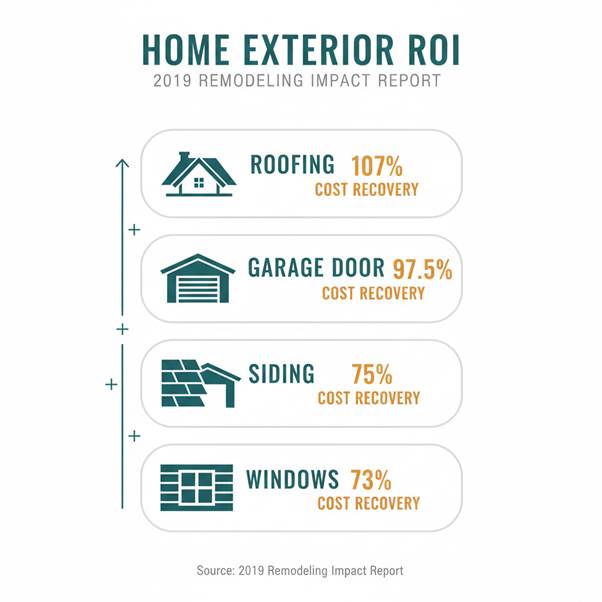
This section details major renovations that offer significant returns in both property value and long-term durability, protecting your investment from the inside out.
Fortify Your Home’s First Line of Defense: Roofing and Gutters
The roof is undeniably one of the most critical components of your home’s exterior. It acts as the primary shield against harsh weather, from torrential rains and heavy snow to scorching sun and strong winds. A compromised or aging roof not only detracts from your home’s appearance but can lead to significant structural damage, mold growth, and costly interior repairs. This is why a new roof consistently tops the list of desired exterior improvements for prospective buyers, offering an impressive return on investment (ROI). According to the 2019 Remodeling Impact Report, a new roof can yield an estimated 107% cost recovery at resale, making it a truly impactful and financially sound investment.
When considering a roof replacement, homeowners have several excellent options, each with distinct benefits. Architectural shingles, for example, offer a more dimensional and aesthetically pleasing look than traditional 3-tab asphalt shingles, often mimicking the appearance of natural wood shakes or slate. They are also designed to reflect UV rays, contributing to better energy efficiency and potentially lowering cooling costs. For those seeking superior durability, longevity, and a modern aesthetic, metal roofing is an increasingly popular choice. Metal roofs are known for their exceptional lifespan (often 50+ years), resistance to fire, and ability to withstand extreme weather conditions, offering a long-term, low-maintenance solution. Concrete roof tiles, while heavier and requiring a stronger underlying structure, provide exceptional durability and can be a valuable option for older homes or those seeking a Mediterranean or Spanish architectural style, often outlasting traditional roofing materials. Regular roof inspections are also crucial for identifying minor issues before they escalate, extending the life of your roof and preventing unexpected expenses. Proper attic ventilation, often integrated with the roofing system through soffit and ridge vents, plays a vital role in preventing heat buildup in summer and ice dams in winter, further protecting your home’s structure.
Beyond the roof itself, an efficient gutter system is paramount for effective water management. Gutters channel rainwater away from your home’s foundation, preventing erosion, basement flooding, and damage to siding, landscaping, and even exterior pathways. Replacing old, clogged, or damaged gutters can significantly improve your home’s defense against water intrusion. Options range from standard K-style gutters, which are common and effective for most homes, to half-round gutters that offer a more traditional, retro aesthetic, often preferred for historic homes, and can be particularly effective in areas with heavy precipitation. Materials like aluminum, vinyl, and galvanized steel each offer different benefits in terms of cost, durability, and maintenance. Aluminum is popular for its affordability and rust resistance, while copper offers a premium, long-lasting, and aesthetically rich option that develops a beautiful patina over time. Upgrading your gutters can give your home a fresh look and prevent costly water-related issues, protecting your investment from the ground up and ensuring structural integrity.
Improve Aesthetics and Efficiency with New Siding, Windows, and Doors
After the roof, your home’s siding, windows, and doors form the next crucial layer of protection and aesthetic appeal. These elements collectively dictate your home’s curb appeal, energy efficiency, and overall comfort. Investing in their upgrade can dramatically transform your home’s appearance while simultaneously reducing energy costs and maintenance efforts.
Siding: Think of siding as your home’s skin. When it’s worn, faded, or damaged, it not only looks unappealing but also fails to adequately protect your house from the elements. Ancient siding doesn’t just look bad; it can also fail to protect your house from moisture and pests, leading to more significant problems down the line. Replacing existing siding can add significant curb appeal and value. Fiber cement siding, for instance, is exceptionally durable and low maintenance. It won’t peel or crack like wood or vinyl and is impervious to moisture and insect activity, making it an excellent choice for a variety of climates. This material is versatile, available in multiple styles and colors, and can even mimic the look of wood or masonry, allowing for diverse architectural expressions. According to industry statistics, replacing your siding with fiber cement is a way to improve your home’s appearance now and for the future, with homeowners recovering as much as 76% of its upfront cost. Vinyl siding is another popular choice, offering an affordable and low-maintenance option that can still provide a good return on investment, with upgrades increasing home value by 63% of the project’s cost. Various textures and colors are available across all siding materials, allowing you to add personality and align with your home’s architectural style. Other options include natural wood planks, stone veneer (which boasts an impressive 94.9% cost recovery), or even stucco, each offering unique aesthetic and maintenance profiles.
Windows: New windows are more than just a cosmetic upgrade; they are a gateway to improved energy efficiency and natural light. Old, drafty windows with single panes or deteriorating seals can be a major source of heat loss in winter and heat gain in summer, leading to inflated utility bills and uncomfortable indoor temperatures. Energy-efficient windows and doors are highly desired exterior improvements for prospective buyers, who recognize the long-term savings they offer. Replacing worn-out windows with modern, energy-efficient models featuring double or triple-pane glass, low-emissivity (Low-E) coatings, and insulated frames can significantly reduce your home’s energy consumption. Beyond efficiency, new windows can dramatically change the look of your home’s exterior. Enlarging existing windows or adding features like bay or picture windows can create the illusion of height and size, bringing in more natural light and opening up interior spaces. Different window types—like casement (hinged on the side), double-hung (both sashes open), or sliding—offer various ventilation and aesthetic benefits. Vinyl windows, for example, can recover up to 71% of their cost at resale, while wood windows, though offering a lower ROI at 57%, provide classic beauty. For those interested in advanced window technologies that offer superior insulation, durability, and security, exploring European uPVC home upgrades can reveal options that provide excellent long-term value and comfort.
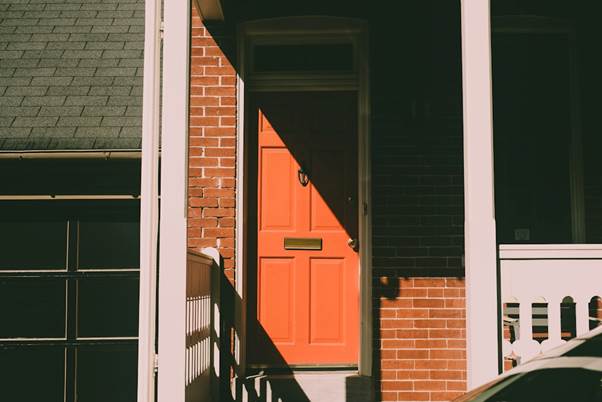
Doors: The front door is often considered the focal point of your home’s facade – it’s the first thing guests interact with and a key indicator of your home’s style. Replacing a battered or outdated front door is a fast way to give your home a new face and create an immediate “hello.” Beyond aesthetics, new doors, particularly energy-efficient ones, improve insulation and security. Steel doors are known for being highly secure and affordable, offering an average 75% return on investment. Fiberglass doors offer an energy-efficient core and resistance to rotting, warping, or rusting, recouping 74% of the estimated project cost. Even a fresh coat of paint on your front door, especially a bold accent color, can make a significant impact for a minimal investment, allowing you to participate in the hot trend of using bold colored accents. Updating your garage door is another high-ROI upgrade, with replacements offering a remarkable 95% cost recovery, making them one of the best home improvement investments. Options range from carriage-style doors for a traditional look to modern, sleek designs that improve contemporary homes, and insulated garage doors can also contribute to energy savings.
Create Welcoming and Functional Outdoor Living Spaces
Extending your living area beyond the interior walls can significantly improve your home’s appeal, functionality, and value. Outdoor living spaces, such as renovated porches, added decks, or enlarged entryways, provide areas for relaxation, entertainment, and a stronger connection to the outdoors. These upgrades are increasingly sought after by homebuyers and can offer a substantial return on investment.
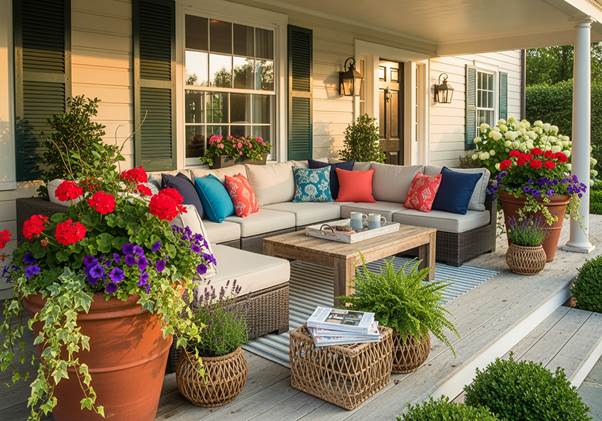
Porch Renovation and Entryway Enlargement: A well-designed front porch or an enlarged entryway creates an inviting first impression and adds architectural character. An outdated or dilapidated porch can detract from your home’s curb appeal, while a renovated one provides a welcoming space and an additional area for outdoor enjoyment. Adding a porch can increase home value and function, offering a space for seating and planters that improve the home’s facade. These spaces can be customized with comfortable furniture, outdoor rugs, and decorative elements like hanging baskets or festive lighting, making them true extensions of your home. Enlarging the entryway, perhaps with wider steps, glass inserts, or a more substantial pediment and crown molding, can make a home feel grander and more welcoming. These elements should always complement the home’s architectural style, ensuring a cohesive and attractive entry. Columns, for instance, should be proportioned correctly to avoid looking too skinny for the porch, adding a touch of classic elegance that respects the home’s design.
Deck and Patio Additions: Decks and patios are highly desirable features that expand your usable living space, providing an ideal setting for entertaining, dining al fresco, or simply enjoying your backyard. Building a new deck is a valuable home exterior upgrade that can significantly boost curb appeal and functionality. For example, platform decks are often the easiest and least expensive to install, sometimes not even requiring a building permit if they are only a few inches off the ground. More elaborate multi-level decks can include features like built-in seating, outdoor kitchens, fire pits, or even under-deck drainage systems to create a dry, usable space below. The choice of materials, from natural wood (like cedar or pressure-treated pine) to low-maintenance composite decking, allows for customization to fit both aesthetic preferences and budget, with composite options offering greater longevity and less upkeep. Adding a deck or patio not only improves your lifestyle by providing dedicated outdoor areas but is also a strong selling point, with decks being highly in demand among homebuyers. To explore a wide array of options and ideas for these and other exterior home upgrades, consulting specialized resources can provide valuable inspiration and guidance for creating the perfect outdoor oasis.
Smart Planning for Your Exterior Renovation
Careful planning ensures your upgrades are cost-effective, stylistically appropriate, and add maximum value to your property.
Choosing Upgrades that Complement Your Architectural Style
One of the most common mistakes homeowners make is choosing upgrades that clash with their home’s existing architectural style. A successful exterior renovation improves the home’s inherent character, rather than fighting against it. Understanding your home’s style – be it Colonial, Victorian, Craftsman, Mid-Century Modern, or Contemporary – is the first step toward making cohesive design choices. If you’re unsure of your home’s architectural style, researching its construction period and distinctive features can provide clues. Look for defining characteristics like roof pitch, window types, and decorative elements.
For instance, a classic Victorian home might benefit from restoring intricate dentil molding, which can be surprisingly cost-effective with synthetic materials (less than $5 a foot). This small detail can revive a sense of historical accuracy and charm. A Cape Cod or Colonial home often looks best with traditional panel or louvered shutters, a fresh coat of clapboard siding, and a stone walkway that connects the hardscape with the architecture, adding a touch of sophistication. Modern homes, on the other hand, might lean towards clean lines, large, simple windows, metal accents, and minimalist landscaping.
Always choose trim, colors, and materials that align with your home’s architectural language. Bold colored accents on the front door, shutters, or trim can be a hot trend, but ensure the color palette harmonizes with the overall style. For example, while a bright turquoise door might look stunning on a contemporary home, it could appear out of place on a traditional Georgian-style house. The goal is to create a unified and aesthetically pleasing facade that feels authentic to the structure. Avoiding disproportionate additions—like columns that are too skinny for a porch—is also crucial for maintaining aesthetic balance.
Here’s a list of popular architectural styles and some complementary upgrades:
- Victorian: Dentil molding, ornate trim, bold exterior paint colors, decorative fencing, bay windows, turret features.
- Colonial/Georgian: Symmetrical window and door placement, traditional panel or louvered shutters, brick or clapboard siding, stone walkways, grand entryways with pediments.
- Craftsman: Natural wood accents, exposed rafters, stone foundations, earthy color palettes, board-and-batten siding, wide eaves, covered front porches.
- Mid-Century Modern: Clean lines, large windows, flat or low-slope roofs, minimalist landscaping, sleek garage doors, natural materials like stone and wood.
- Ranch: Wide, open porches, simple landscaping, updated garage doors, natural material accents like stone veneer, large picture windows.
- Contemporary: Mixed materials (metal, glass, wood), large windows, minimalist design, unique lighting fixtures, asymmetrical compositions, green roofs.
- Farmhouse: Board-and-batten or clapboard siding, large front porches, metal roofs, classic white or neutral paint colors, simple window styles.
- Tudor: Half-timbering, steeply pitched gable roofs, brick or stucco siding, leaded glass windows, decorative chimneys.
Budget-Friendly Home Exterior Upgrades for a Weekend
Not every impactful exterior upgrade requires a major renovation budget or weeks of work. Many small, budget-friendly projects can be completed in a weekend, offering a significant boost to your home’s curb appeal and your personal enjoyment. These quick wins are perfect for homeowners looking to refresh their property without a large investment.
One of the most transformative and affordable changes is a fresh coat of paint on your home’s exterior. If painting the entire house isn’t feasible or within your weekend scope, focus on key elements. Painting your front door a bold, welcoming color can instantly revitalize your entryway. This simple act creates an immediate focal point and adds personality, making a strong first impression. Similarly, painting window trim or shutters can provide a crisp, clean look or a pop of contrasting color, refreshing the entire facade.
Beyond paint, consider updating your exterior accessories. Replacing old, faded house numbers with modern, easy-to-read ones can make a surprising difference in both aesthetics and functionality. Upgrading your mailbox to a stylish design that complements your home’s aesthetic is another small detail that contributes to overall curb appeal. For less than $75, you can often find modern house numbers and a clean-lined mailbox that offer an instant “wow” factor. Don’t forget about updating door hardware, like a new handle set, which can further improve the entryway’s appeal.
A landscaping refresh is another excellent weekend project. This doesn’t mean a complete overhaul, but rather strategic improvements. Trimming overgrown bushes, weeding garden beds, adding fresh mulch, and planting a few vibrant annuals or perennials in pots or along walkways can dramatically improve your yard’s appearance. Even simply power washing your home’s exterior, including the siding, porch, steps, and driveway, can remove years of grime, cobwebs, and dirt, instantly brightening your property and making it look well-maintained.
Finally, updating exterior light fixtures can improve both aesthetics and safety. Replacing an outdated porch light or adding new sconces by the garage door can modernize your home’s look and improve nighttime visibility. These small changes, while seemingly minor, collectively contribute to a more inviting, well-maintained, and appealing home exterior, proving that big impact doesn’t always require a big budget.
Finishing Touches for Your Home Exterior Upgrades: Landscaping and Lighting
Once the major structural and aesthetic elements are addressed, the final touches of landscaping and lighting lift your home’s exterior from merely functional to truly captivating. These elements work in tandem to create an inviting atmosphere, improve safety, and showcase your home’s best features, especially after dusk.
Landscaping: Landscaping plays a vital role in enhancing a home’s exterior, contributing significantly to curb appeal and even energy efficiency. A well-designed landscape integrates seamlessly with your home’s architecture, creating a harmonious and welcoming environment. This involves more than just planting flowers; it encompasses thoughtful design of softscaping (plants, trees, shrubs) and hardscaping (walkways, patios, retaining walls). Strategic planting can buffer your home from summer sun and winter winds, potentially reducing heating and cooling bills. For example, deciduous trees on the south side can provide summer shade while allowing winter sun.
Consider adding a stone walkway to your front door. Using real stone for a walkway adds a detail of quality and connects your hardscape with your architecture, adding sophistication to styles like Cape Cod, cottage, Colonial, or Tudor homes. Permeable driveway pavers or decorative options like stamped concrete or bricks can also add a finishing touch to your facade, ensuring your driveway is not overlooked as an important part of curb appeal. Low-maintenance gardening, focusing on native plants or drought-tolerant species, ensures year-round appeal without extensive effort, which is a boon for busy homeowners. A well-manicured lawn, free of weeds and adequately watered, speaks volumes about how you care for your home. Even simple additions like attractive planters with seasonal flowers can make a big difference.
Exterior Lighting: The right exterior lighting improves both the aesthetics and safety of your home. During the day, your home’s architecture and landscaping are visible, but at night, lighting takes over, changing your property into a welcoming and secure haven. Exterior lighting should not be an afterthought; it’s as important as interior lighting for setting the mood and ensuring functionality.
Strategically placed lighting can highlight architectural features, illuminate pathways for safety, and create a warm, inviting ambiance. For example, sconces flanking the front door provide both illumination and a sense of balance, making the entry feel more prominent and secure. Uplighting in garden beds can add drama to foliage and create interesting shadows, enhancing the nighttime landscape and emphasizing the beauty of your plants and trees. Motion-sensor lights can deter intruders and provide convenience when arriving home after dark, adding a crucial layer of security. A well-lit exterior not only makes your home more attractive but also significantly increases safety and security, ensuring clear visibility on steps, paths, and entry points.
Here’s a comparison of different types of exterior lighting and their uses:
Lighting Type Primary Use Aesthetic Impact Safety & Security Path Lights Illuminating walkways, driveways, garden paths Guides visitors, creates visual interest Prevents trips/falls, defines boundaries Spotlights Highlighting architectural features, trees, art Dramatic accents, emphasizes focal points Deters intruders, illuminates dark areas Floodlights Broad illumination of large areas (e.g., yard) General brightness, functional lighting Strong deterrent, improves visibility Sconces Flanking entryways, garage doors, patios Welcoming glow, adds balance and style Illuminates entry points, improves safety Uplights Illuminating facades, trees, landscape elements Creates depth and drama, highlights textures Can deter, but primarily aesthetic Step Lights Integrated into stairs, decks, retaining walls Subtle guidance, modern aesthetic Prevents falls on steps Post Lights Driveway entrances, garden perimeters Traditional look, general area illumination Defines boundaries, provides general light String Lights Patios, pergolas, outdoor dining areas Festive, cozy ambiance, decorative Low-level ambient light Motion-Sensor Lights Entrances, dark corners, garage areas High deterrent, alerts to movement, functional High deterrent, alerts to movement Your home’s exterior is an evolving canvas. Thoughtful upgrades, from major renovations to subtle finishing touches, not only improve its beauty and functionality but also safeguard your investment for years to come. By prioritizing durability, energy efficiency, and cohesive design, we ensure your home remains a source of pride and lasting value.