

Your home is more than just a place to live; it’s a significant investment and a sanctuary for your family. Protecting this valuable asset starts with understanding its structural integrity.
We understand the peace of mind that comes with a strong, stable home. That’s why we’ve put together this comprehensive guide.
Here, we’ll explore everything you need to know about home structural integrity – from understanding its fundamental components to identifying common signs of damage.
We’ll delve into the causes of structural issues, how to visually inspect your property, and the critical role of preventive measures. Whether it’s the foundation beneath your feet or the integrity of your local metal roofing overhead, every part plays a vital role in your home’s long-term health.
Finally, we’ll discuss when to call in the professionals and the practical methods for repairing and reinforcing structural damage.
Our goal is to empower you with the knowledge to protect your property from both structural and environmental damage, ensuring its safety and value for years to come.
At its core, structural integrity refers to a home’s ability to withstand its intended loads—such as the weight of its occupants, furniture, snow, and wind—without failure, excessive deformation, or collapse throughout its lifespan. It’s the unseen framework that ensures your home remains safe, stable, and functional. This foundational strength is not just about safety; it profoundly impacts a property’s value, insurability, and long-term viability. A home with compromised structural integrity can quickly become a financial burden and a safety hazard.
The structural system of a home is a complex network of interconnected components, each designed to transfer weight and resist various forces. It begins with the foundation, the critical base that anchors the entire structure to the ground. This includes the concrete slab, crawl space, or basement walls. Beneath the foundation are the footings, wider poured concrete bases that distribute the home’s immense weight evenly over a larger soil area, preventing uneven settlement.
The weight from the roof, floors, and walls is then systematically transferred down through load-bearing elements. These are the critical components that carry the structural burden.
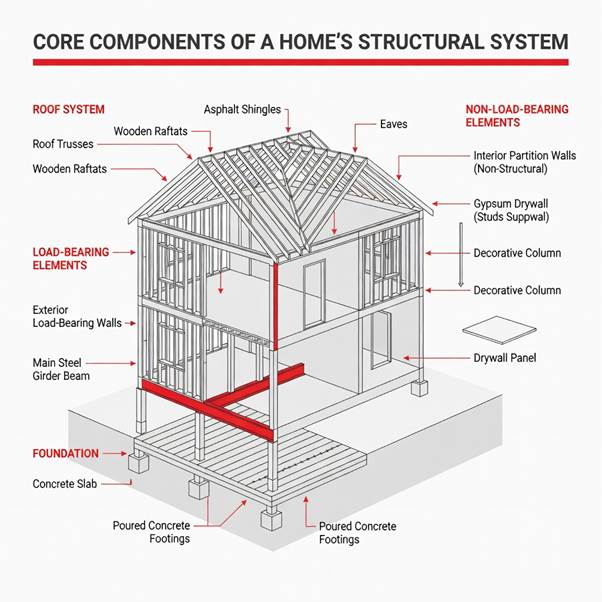
Load-Bearing Elements Non-Load-Bearing Elements Foundation walls and footings Interior partition walls (not supporting upper floors or roof) Exterior walls Decorative columns Main support beams (girders) Drywall Floor joists and subflooring Exterior siding Roof trusses or rafters Interior trim and molding Load-bearing interior walls Cabinetry Walls, both exterior and designated interior load-bearing walls, play a crucial role in vertical load transfer and resisting lateral forces like wind. Beams and trusses are horizontal structural members designed to support floors and roofs, spanning distances between walls or columns. Roof systems, comprising rafters or trusses, sheathing, and roofing materials, are designed to bear the weight of snow and resist wind uplift, ultimately channeling these loads down to the foundation. For a deeper dive into the foundational aspects of home construction and what makes a structure sound, exploring resources dedicated to Professional home structural integrity can provide invaluable insights.
The quality of building materials and adherence to building codes heavily influence the longevity and resilience of these components. Codes establish minimum standards for design, construction, and materials to ensure safety and performance, taking into account local conditions such as snow loads and frost depth. High-quality materials, properly installed, contribute significantly to a home’s structural lifespan, helping it withstand the test of time and environmental stressors.
Identifying Signs and Causes of Structural Damage
Recognizing the early signs of structural damage is paramount for homeowners. Ignoring these indicators can lead to escalating repair costs, diminished property value, and, most importantly, safety risks. Structural issues manifest in various ways, from subtle cosmetic changes to overt deformations.
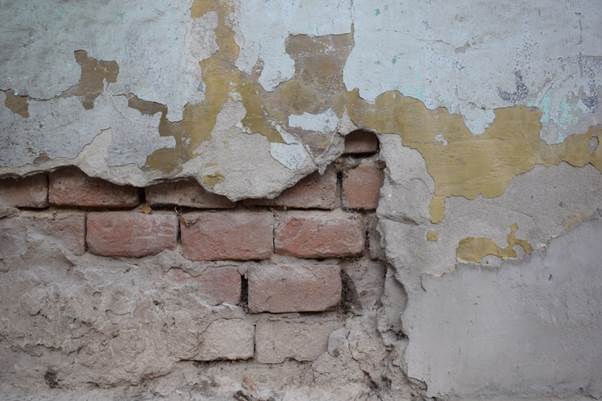
Common red flags include:
- Cracks: These are perhaps the most common and visible signs. While hairline cracks, especially in concrete or masonry, can be normal due to material shrinkage or minor settling, larger or growing cracks are serious. We’ll delve into specific crack patterns shortly.
- Sagging: This can appear in various parts of the home. Sagging floors may indicate compromised joists or foundation settlement. A sagging roofline often points to issues with trusses, rafters, or excessive load.
- Sticking Doors and Windows: If doors and windows suddenly become difficult to open or close, or if they no longer fit squarely within their frames, it suggests that the house frame has shifted or settled unevenly.
- Bowing or Bulging Walls: Walls that are no longer plumb (perfectly vertical) and show a noticeable curve or bulge often signal significant pressure from the outside (such as soil expansion) or internal structural failure.
- Timber Rot and Pest Infestation: Moisture-induced rot in wooden structural members (joists, beams, subflooring) can severely weaken them. Similarly, pests such as termites or carpenter ants can tunnel through wood, compromising its structural integrity and leading to structural instability.
The causes behind these signs are diverse, often stemming from environmental factors, construction practices, or simply the passage of time:
- Foundation Problems: This broad category encompasses issues such as uneven settlement (when different parts of the foundation sink at different rates), heaving (when soil swells and pushes the foundation upward), and lateral movement.
- Soil Movement: The soil beneath a home is rarely static. Changes in moisture content can cause expansive clay soils to swell and shrink, exerting immense pressure on foundations. Erosion can wash away supporting soil, leaving voids.
- Water Damage: A major culprit. Poor drainage can lead to hydrostatic pressure against basement walls, causing them to bow or crack. Leaking roofs, plumbing failures, or inadequate waterproofing can saturate structural wood, leading to rot and weakened connections. For instance, compromised roofing can allow water to penetrate the underlying structure, leading to costly damage. Understanding the importance of Durable roofing structural integrity is crucial, as a sound roof protects the entire structural envelope from water intrusion.
- Poor Construction: Substandard materials, inadequate design, or improper construction techniques can leave a home vulnerable from day one. This includes insufficient footings, incorrectly sized beams, or poorly fastened connections.
- Age and Wear: Over decades, materials naturally degrade. Steel can corrode, concrete can crack and spall, and wood can weaken. Delayed maintenance accelerates this process.
Monitoring Home Structural Integrity Through Visual Inspections
Homeowners are often the first line of defense in detecting structural issues. Regular visual inspections, both inside and out, can help catch problems early. Here’s what to look for and how to interpret it:
- Foundation Cracks:
- Hairline Cracks (less than 5mm wide): These are often superficial shrinkage cracks, especially in concrete or masonry, and may not indicate a structural problem if they don’t widen. You can monitor them by marking the ends with a pencil and dating them to see if they grow.
- Cracks wider than 1/4 inch: These require an immediate professional foundation assessment.
- Stair-step cracks: These typically appear in brick or block foundations and walls, following the mortar joints. They often signal differential settlement or moisture-related expansion, especially if they are wider at one end or grow over time.
- Horizontal cracks: These are among the most serious, particularly in basement walls. They often indicate significant hydrostatic pressure from saturated soil pushing inward, or excessive soil expansion. Urgent professional attention is required.
- Diagonal cracks around doors/windows: If they appear on load-bearing walls, they may indicate sinking footings or uneven settlement beneath the opening.
- Level Checks: Use a carpenter’s level to check the plumb of exterior walls, door frames, and window frames. Any significant deviation from vertical or horizontal can indicate shifting. Similarly, check floors for unevenness or slopes.
- Moisture Stains and Basement Seepage: Dark patches on basement walls, efflorescence (white, powdery mineral deposits), or standing water are clear indicators of water intrusion, which can compromise foundation integrity and lead to timber rot.
- Exterior Wall Alignment: Step back from your home and observe the exterior walls. Do they appear straight and plumb, or do you notice any bowing, bulging, or leaning?
While visual inspections are a great starting point, they are not a substitute for professional assessment.
The Impact of Local Conditions on Home Structural Integrity
A home’s structural integrity is not only a function of its design and construction but also profoundly influenced by its surrounding environment. Local geological and climatic conditions play a significant role in determining the types of structural stresses a home will endure.
- Freeze-Thaw Cycles: In regions with distinct seasons, like many parts of Canada or the northern Unitedates, repeated freeze-thaw cycles can wreak havoc on foundations. When water in the soil freezes, it expands (known as frost heave), pushing foundations upwards. When it thaws, the soil contracts, potentially leading to settlement. This constant movement can cause significant cracking and displacement over time.
- Clay-Heavy Soils: Expansive clay soils are notorious for causing foundation problems. These soils absorb water readily, swelling considerably when wet and shrinking dramatically when dry. This continuous expansion and contraction (often intensified by freeze-thaw cycles) exerts immense pressure on foundation walls and can lead to uneven settlement or heaving.
- Snow Loads: Homes in areas that experience heavy snowfall must be designed to withstand substantial snow loads on their roofs. Inadequate roof framing or compromised trusses can lead to sagging roofs, structural failure, or even collapse under the weight of accumulated snow and ice. Building codes in these regions specify minimum snow load capacities to prevent such issues.
- Frost Depth: Building codes also dictate the minimum depth to which footings must be placed to be below the local “frost line.” This ensures that the foundation is not affected by frost heave. If footings are not deep enough, they are susceptible to upward movement during freezing conditions.
- Seismic Activity: While less common in some areas, regions prone to earthquakes face unique structural challenges. Homes in these areas require specific seismic retrofits, such as foundation bolting and shear walls, to resist lateral forces and prevent catastrophic collapse during ground shaking.
- Thermal Expansion: All building materials expand and contract with changes in temperature. While typically accounted for in design, extreme temperature fluctuations can contribute to material fatigue, cracking, and stress on connections over the long term.
Understanding these local conditions is crucial for both homeowners and builders. It informs proper design, material selection, maintenance practices, and when to seek specialized advice from professionals familiar with the specific challenges of a given climate.
Preventive Maintenance and Professional Intervention
Proactive maintenance is the most cost-effective way to preserve your home’s structural integrity. Many major structural issues can be traced back to neglected preventive measures.
- Yard Grading and Drainage: This is perhaps the most critical preventive measure. The ground around your house should slope away from the foundation to direct rainwater and snowmelt away from the building. A general rule of thumb is that the ground should slope at least 6 inches over the first 10 feet away from the house to prevent water collection near the foundation. Poor grading allows water to pool, saturating the soil and increasing hydrostatic pressure on basement walls, which can lead to cracks, leaks, and potential foundation movement.
- Weeping Tile (Perimeter Drains): Installed around the exterior of foundation footings, weeping tile (or French drains) are perforated pipes designed to collect groundwater before it can reach the foundation walls. This water is then directed to a sump pump or a storm drain, effectively relieving hydrostatic pressure. Regular inspection and cleaning of these systems are vital.
- Sump Pumps: Essential in basements or crawl spaces, sump pumps collect water that enters the perimeter drainage system and pump it away from the house. A properly functioning sump pump is a critical defense against basement flooding and hydrostatic pressure. Ensure it has a reliable power source and a backup battery system.
- Gutter Maintenance: Clogged or damaged gutters and downspouts are a common cause of foundation problems. They allow rainwater to cascade directly down the foundation, eroding soil and saturating the ground. Clean gutters regularly and ensure downspouts extend several feet away from the foundation.
- Attic Ventilation: Proper attic ventilation (e.g., soffit and ridge vents) is crucial for controlling moisture and temperature extremes. Poor ventilation can lead to condensation, which can cause mold, rot in roof sheathing and trusses, and compromise the roof’s structural elements.
- Vegetation Management: While aesthetically pleasing, large trees and shrubs too close to the foundation can pose a threat. Roots can invade weeping tile systems, causing blockages, or they can aggressively seek out moisture, leading to soil desiccation and subsequent settlement. Conversely, during dry spells, roots can draw moisture away from the foundation, causing clay soils to shrink and the foundation to settle. Maintain a reasonable distance between large plants and your home.
Despite diligent maintenance, some issues may arise that require expert assessment. Knowing when to call in the professionals is key:
- Home Inspector: When buying or selling a home, a certified home inspector provides a general overview of the property’s condition, including visible structural elements. They can identify potential red flags that warrant further investigation. Buyers should ask sellers for maintenance records, especially concerning plumbing and HVAC systems, as leaks can lead to structural issues.
- Structural Engineer: If a home inspector or your own observations reveal significant cracks, uneven floors, bowing walls, or other serious concerns, a structural engineer is the specialist to consult. They possess the expertise to analyze a building’s structural integrity, diagnose the root cause of problems, and recommend appropriate repair or reinforcement solutions. They check load-bearing capacities, material stresses, and foundation stability.
- Contractor (Specialized): Once an engineer provides a diagnosis and repair plan, a specialized contractor (e.g., a foundation repair specialist, roofing contractor, or a general contractor experienced in structural work) is needed to implement the recommended solutions.
For comprehensive protection, considering the entire building envelope, including high-quality roofing, is vital. For example, ensuring Local metal roofing integrity can significantly contribute to the overall structural health of your home by providing superior protection against weather elements and reducing the risk of water damage to the underlying structure.
Methods for Repairing and Reinforcing Structural Damage
When structural damage is identified, there are various effective methods to repair the existing issues and reinforce the structure to prevent future problems. The choice of method depends heavily on the type, severity, and cause of the damage, and it should always be based on the recommendations of a qualified structural engineer.
Structural Repair focuses on repairing damaged components, restoring them to their original or improved condition. Structural Reinforcement, on the other hand, aims to improve the load-bearing capacity or stability of existing elements, often to prevent future damage or to accommodate increased loads.
Here are some standard methods:
- Epoxy Injection: For non-moving, hairline cracks in concrete foundations or slabs, high-strength epoxy can be injected. This method bonds the concrete together, restoring its structural integrity and preventing water intrusion. It’s often a first step before more extensive work.
- Foundation Bolting and Piering: Foundation Bolting: In areas prone to seismic activity or high winds, homes may need to be bolted to their foundations to prevent them from sliding off. This involves installing anchor bolts that connect the sill plate (the wooden member resting on the foundation) to the concrete foundation.
- Piering (Underpinning): If a foundation is settling unevenly or sinking, piering involves installing steel piers or concrete piles deep into stable soil strata beneath the existing foundation. These piers are then used to lift and stabilize the foundation, transferring the home’s weight to more stable ground.
- Wall Anchors (Tie-Backs): For bowing or bulging basement walls, wall anchors are a standard solution. Steel rods are installed through the wall, extending into stable soil outside the foundation. A plate on the interior wall is then tightened against the rod, pulling the wall back to a plumb position and resisting external pressure.
- Carbon Fiber Reinforcement: This advanced technique uses high-strength carbon fiber straps or sheets, adhered to compromised concrete or masonry walls with epoxy. Carbon fiber is robust and lightweight, providing significant tensile strength to resist bowing or cracking. It’s often used on basement walls to reinforce them against hydrostatic pressure.
- Post-Tensioning: Primarily used in concrete slab foundations and beams, post-tensioning involves embedding high-strength steel cables within the concrete. After the concrete cures, these cables are tensioned, putting the concrete under compression. This significantly increases the slab’s strength, reduces cracking, and allows for longer spans. It can also be used to correct existing cracks in concrete beams and slabs.
- Fiber-Reinforced Polymers (FRPs): Similar to carbon fiber, FRPs are composite materials that combine a polymer matrix with high-strength fibers (carbon, glass, or aramid). They are used to strengthen and repair concrete, masonry, and even some timber elements, enhancing their load-bearing capacity and ductility.
- Additional Reinforcements: For compromised wooden structural elements, such as sagging floor joists or beams, additional supports can be installed. This might involve sistering (attaching new lumber alongside existing joists), adding new support columns, or installing steel beams to reinforce or replace weakened members.
Structural repairs are complex and can be costly. Based on publicly available internet data, average structural maintenance can range from $3,000 to over $25,000, depending on the severity of the damage and the methods required. This wide cost range underscores the importance of early detection and preventive maintenance. Always obtain multiple quotes and ensure the chosen contractor is licensed, insured, and experienced in the specific type of structural repair needed.
Frequently Asked Questions about Home Structural Integrity
What are the most common red flags of structural failure?
The most common red flags include significant cracks (especially wider than 1/4 inch, stair-step, or horizontal) in foundations, walls, or ceilings; uneven or sagging floors; doors and windows that stick or don’t close properly; bowing or bulging walls; and signs of water intrusion like persistent moisture, mold, or efflorescence in basements. Any sudden or progressive changes to your home’s alignment or stability should be investigated.
How does soil composition affect a home’s foundation?
Soil composition is a primary factor in foundation stability. Expansive clay soils, common in many regions, absorb water and swell, then shrink dramatically when dry. This constant movement can exert immense pressure on foundation walls (heaving) or cause uneven settlement. Conversely, sandy or loose soils may not provide adequate support, leading to settlement. Proper soil testing before construction and effective drainage management throughout the home’s life are crucial to mitigate these risks.
When should a homeowner consult a structural engineer?
You should consult a structural engineer whenever you suspect a significant structural problem that goes beyond minor cosmetic issues. This includes:
- Discovery of large or growing cracks in the foundation, walls, or ceilings.
- Noticeable sagging in floors or rooflines.
- Walls that are bowing, bulging, or leaning.
- If doors or windows suddenly become difficult to operate due to frame distortion.
- After a natural disaster (e.g., flood, earthquake, severe storm) that may have compromised the structure.
- Before undertaking major renovations that involve removing load-bearing walls or significantly altering the structure. it is important to consider the following:
- If a home inspector recommends a structural evaluation.
A structural engineer can accurately diagnose the problem, determine its cause, and provide a professional, unbiased recommendation for repair or reinforcement.
Conclusion
Understanding and maintaining your home’s structural integrity is an ongoing commitment, but one that offers significant returns in terms of safety, property value, and peace of mind. By familiarizing yourself with the fundamental components, recognizing the early signs of damage, implementing preventive measures, and knowing when to seek professional help, you can safeguard your investment for years to come.
From ensuring proper yard grading to inspecting your roof, every action contributes to the long-term stability and safety compliance of your home. For those in Berkshire County in Eastern Massachusetts and Southern New Hampshire, ensuring your roof is in top condition is a critical part of this overall structural health. Twin Roofing installs asphalt roofs in MA and NH, offering a key layer of protection for your home’s structural well-being.
Follow us on Facebook — https://www.facebook.com/twinmetalsroofing Follow us on Instagram – https://www.instagram.com/twinmetals/