

We all want our homes to look their best. But a home’s exterior is more than just curb appeal; it is your property’s first line of defense against the elements, pests, and everyday wear and tear.
Ignoring its care can lead to serious and costly problems. Regular exterior maintenance is a smart investment. It helps you avoid expensive repairs down the road and keeps your home safe and beautiful.
Water damage, for instance, is one of the most frustrating and costly issues any homeowner can face. Consistent exterior maintenance is your best defense against such damage. It protects your home’s structure and helps maintain its value.
In this comprehensive guide, we will share expert tips to keep your home’s exterior in top shape. We will explore key maintenance tasks, outline seasonal recommendations, and help you decide when to tackle a project yourself or call a professional. Let’s make sure your home stays protected and looking its best, year after year.
Maintaining your home’s exterior isn’t just about aesthetics; it’s a fundamental aspect of responsible homeownership. It safeguards your investment, protects your family, and significantly improves your overall quality of life. We often focus on interior comforts, but the exterior is constantly battling the elements, and its resilience directly impacts everything inside.
The Financial Impact of Neglect
The adage “a stitch in time saves nine” holds particularly true for home exterior maintenance. Small, unaddressed issues, such as a clogged gutter or a minor crack in the siding, can quickly escalate into major structural problems. For example, water damage is one of the most costly and frustrating problems any homeowner can face. A persistent leak from a neglected roof or an overflowing gutter can lead to extensive damage, requiring expensive foundation repairs, mold remediation, or complete siding replacement.
Proactive maintenance helps you avoid these emergency repairs and saves substantial money over the long term. By addressing minor issues before they become catastrophic failures, you prevent the compounding effects of neglect. Think of it as preventative healthcare for your home; regular check-ups and minor interventions are far less expensive than treating a full-blown illness. This approach ensures that your home’s structure, appearance, and value are preserved, reducing your risk of property damage and avoiding undue stress.
Protecting Your Home’s Structural Integrity
Your home’s structural integrity is its backbone, and the exterior plays a critical role in maintaining it. The foundation, walls, and roof work in concert to support the entire structure and protect it from external forces. Regular inspections of these components are essential for catching early signs of shifting, cracking, or water intrusion.
For instance, if your yard doesn’t slope away from your foundation, water will pool there, soaking into the ground and eventually seeping through cracks or causing basement flooding. This constant moisture can compromise the foundation’s stability. Similarly, a damaged roof exposes your home to leaks that can rot wooden beams, compromise insulation, and lead to ceiling collapse. Deck safety is another critical aspect; regular checks for loose boards, cracks, or decay ensure that these outdoor living spaces remain safe for use. Maintaining these core components ensures the entire structure remains sound, safe, and stable over time and weather, contributing significantly to your home’s longevity.
Energy Efficiency and Pest Prevention
A well-maintained exterior is also crucial for your home’s energy efficiency. Gaps, cracks, or worn weatherstripping around windows and doors can lead to significant heat loss in winter and cool air escape in summer. Sealing these vulnerabilities improves your home’s insulation, reducing the workload on your HVAC system and lowering your energy bills. Clean exterior windows not only make your home look nice but also extend its lifespan by preventing harsh elements from causing buildup and damage.
Beyond energy savings, exterior maintenance is a powerful tool for pest prevention. Cracks in the foundation, gaps in siding, or unsealed utility line penetrations provide easy entry points for insects, rodents, and other unwelcome guests. Regularly inspecting and sealing these potential entry points, along with trimming back vegetation that can serve as bridges or hiding spots, helps keep your home pest-free. With good exterior maintenance, you can protect your home from the elements, keeping moisture, pests, rot, and decay out.
A Comprehensive Guide to Home Exterior Maintenance
This section details the most critical areas of your home’s exterior that demand regular attention. Consistent inspection and upkeep of these components form the backbone of any effective maintenance plan.
Roof, Gutters, and Flashing
Your roof is the primary shield for your home, bearing the brunt of weather elements. Regularly inspect your gutters, roof, and flashing to catch issues early, and consider adding gutter guards for extra protection. We recommend inspecting your roof at least twice a year, ideally in the spring and fall, for missing, cracked, or curling shingles. You can often perform an initial check safely from the ground using binoculars to spot obvious issues.

Gutters are integral to a healthy roof system. Clogged gutters can lead to mold growth, siding wear, and structural damage. They often get clogged with leaves, seeds, and other debris. This can lead to problems, including overflow, mold, rot, pest infestations, and even foundation damage. Gutters must be cleared of leaves and debris in the spring and fall to prevent water from overflowing and damaging your foundation, siding, and fascia boards. Ensure your downspouts extend at least six feet away from the foundation to direct water effectively. For homes with specific materials, such as wood shingles, understanding the nuances of Loudoun cedar shake maintenance is key to their longevity and continued performance.
Flashing, the metal strips installed around chimneys, skylights, and other roof penetrations, also requires attention. Check for any signs of rust, bending, or separation from the roof surface, as damaged flashing is a common entry point for water.
Siding, Paint, and Exterior Walls
Siding protects your home from moisture and pests, acting as a crucial barrier against the elements. Inspect your siding regularly for cracks, gaps, warping, or loose panels. Even small imperfections can allow moisture to penetrate, leading to more serious problems such as wood rot.
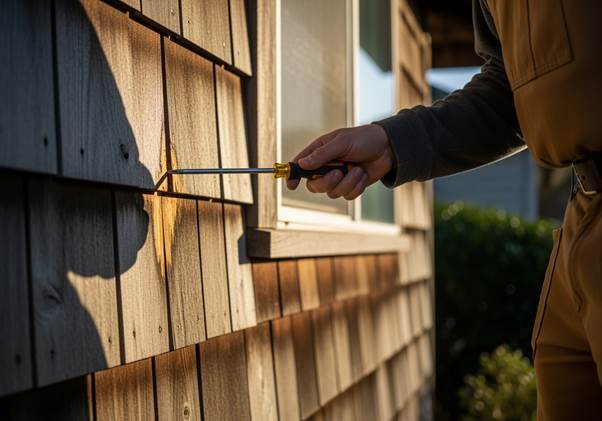
A fresh coat of paint is more than cosmetic; it’s a protective seal. Keeping your home’s exterior paint up to date will seal surfaces, protecting your home from moisture damage. Inspect painted surfaces for peeling, blistering, or chipping, which indicate a compromised protective layer. For wood trim and other wooden components, check for signs of rot by probing with a screwdriver. If the wood is soft and spongy or doesn’t splinter, you may have a wood-rot problem. Wood rot can be treated if the damage isn’t too extensive, often involving drying the wood and treating it with a preservative.
Periodically washing your home’s exterior walls can also prolong their life and improve their appearance. Pressure washing can be effective for many types of siding, but it’s crucial to use the correct pressure setting and technique to avoid damage. This routine cleaning helps remove dirt, grime, mold, and mildew, which can otherwise degrade the material over time.
Windows, Doors, and Foundation
Windows and doors are critical components of your home’s exterior envelope, impacting both energy efficiency and security. Inspect the caulking and weatherstripping around all windows and doors annually. These seals prevent drafts and water leaks. If you notice any cracks, gaps, or signs of deterioration, reapply caulk or replace weatherstripping promptly. Clean exterior windows not only make your home look nice but also extend your windows’ lifespan by preventing harsh elements from causing buildup and damage.
Your home’s foundation is its literal bedrock, and its integrity is paramount. Regularly examine your home’s foundation for cracks, settling, or signs of water pooling. Small hairline cracks might be superficial, but larger, horizontal, or stair-step cracks could indicate a more serious structural issue that warrants professional assessment. As mentioned earlier, if your yard doesn’t slope away from your foundation, water will pool there, soak into the ground, and eventually seep through cracks or cause basement flooding. Ensure the ground around your foundation slopes away from the house. This can sometimes involve adding soil to low spots or ensuring downspouts are properly extended.
Your Year-Round Exterior Maintenance Calendar
Organizing tasks by season makes home maintenance manageable and ensures your home is prepared for changing weather conditions. Exterior home maintenance tasks are important for keeping your home in great shape year-round.
Spring Checklist
Spring is a time for renewal, and your home’s exterior is no exception. After the harshness of winter, this is the ideal time to assess and address any damage from ice, snow, and freezing temperatures.
- Gutter Cleaning: Clear out any accumulated leaves, twigs, and debris from your gutters and downspouts. Ensure they are securely attached and direct water away from the foundation.
- Roof Inspection: Conduct a thorough visual inspection of your roof from the ground or a ladder (if safe). Look for missing, cracked, or loose shingles, especially those that might have been damaged by winter storms.
- Window Washing: Clean exterior windows to remove winter grime and allow more natural light into your home. Check for any cracks in the glass or damaged seals.
- Siding Cleaning: Wash your home’s siding to remove dirt, mold, and mildew. A pressure washer can be effective, but use a low setting and an appropriate nozzle to avoid damage.
- Deck Staining/Sealing: If your deck is due, clean and re-stain or seal it to protect the wood from moisture and UV damage. Inspect for loose boards or nails.
- Faucet Check: Test all outdoor faucets for leaks and ensure they function correctly after winterization.
- Sprinkler System Inspection: Turn on your irrigation system and check for any leaks, broken sprinkler heads, or misdirected sprays.
- Fertilize Lawn & Plant Annuals: Prepare your lawn for healthy growth and add new plants to your garden beds.
Summer Checklist
Summer’s long, warm days are perfect for outdoor projects and ensuring your home is protected from heat and pests.
- Pest Control & Landscaping: Trim trees and shrubs, ensuring branches are at least a foot or two away from your home’s siding and roof. This prevents pests from gaining access and protects your siding from moisture. Check for signs of insect activity around the foundation and entry points.
- Deck Maintenance: Continue inspecting your deck, patio, and porch for loose boards, splinters, or signs of wear. Tighten any loose fasteners and keep the surfaces clean.
- Driveway & Walkway Repair: Inspect your driveway and walkways for cracks or holes. Fill small cracks with appropriate sealants to prevent them from expanding with temperature changes. You might also consider resealing asphalt driveways every 2 to 5 years to extend their lifespan.
- Pool Maintenance: For those with pools, summer is peak season. Scheduling expert exterior pool maintenance ensures it’s safe, clean, and ready for enjoyment, preventing issues that can impact both aesthetics and function.
- Exterior Painting Touch-ups: Address any peeling or chipped paint noticed during spring inspections. The warm, dry weather is ideal for painting.
Fall and Winter Preparations for Home Exterior Maintenance
As temperatures drop and leaves fall, preparing your home for the colder months is crucial to prevent damage.

- Gutter Cleaning: Perform a final, thorough gutter cleaning after most leaves have fallen. This is critical to prevent ice dams and winter water damage. Consider installing a LeafFilter gutter guard system to keep debris out and water flowing freely.
- Faucet Winterizing: Drain and store garden hoses. Turn off exterior water faucets from their interior shut-off valves and drain any remaining water from the spigots to prevent freezing and burst pipes.
- Firewood Storage: If you use a fireplace, store firewood outside, away from the house, and lift it off the ground to prevent pests and moisture accumulation.
- Chimney Inspection: Have your chimney professionally inspected and cleaned before its first use of the season. This ensures it’s free of creosote buildup and any structural issues.
- Rake Leaves: Regularly rake leaves from your yard. A thick layer of dead leaves can smother your lawn, create moisture traps, and provide shelter for pests.
- Seal Gaps: Check for any new gaps or cracks around windows, doors, and utility penetrations. Seal them with exterior-grade caulk to prevent drafts and pest entry.
- Cover/Store Outdoor Furniture: Clean and cover or store patio furniture and grills to protect them from winter weather.
DIY Toolkit vs. Calling the Professionals
Knowing which tasks to tackle yourself and when to hire an expert is crucial for safety and effectiveness. While we empower homeowners to handle many routine tasks, recognizing limitations and knowing when to call in a specialist is a hallmark of smart home maintenance.
Essential Tools for Exterior Home Maintenance
A well-equipped toolkit can empower you to handle many routine exterior maintenance tasks efficiently and safely. Investing in quality tools will save you time and effort in the long run.
- Sturdy Ladder: Essential for accessing gutters, inspecting roofs, and reaching high windows. Always ensure it’s stable and used safely.
- Pressure Washer: A versatile tool for cleaning siding, decks, driveways, and walkways. Choose one with adjustable pressure settings.
- Caulking Gun & Caulk: For sealing gaps around windows, doors, and trim to prevent water intrusion and drafts.
- Gloves & Safety Goggles: Non-negotiable for protecting your hands and eyes during any maintenance task.
- Garden Tools: Pruning shears, loppers, rakes, and shovels are essential for landscaping and maintaining vegetation.
- Screwdriver/Pry Bar: Useful for checking for wood rot, tightening loose fasteners, or gently prying apart components for inspection.
- Gutter Scoop/Trowel: Specifically designed to make gutter cleaning easier and more effective.
- Binoculars: For safely inspecting your roof from the ground without needing to climb.
By taking care of these maintenance tasks, you’ll keep your family safe, save money on repairs down the road, and extend the life of your house.
When to Hire a Professional
While many tasks can be DIY, some jobs are best left to certified professionals. This isn’t just about convenience; it’s about safety, specialized expertise, and preventing costly mistakes. Exterior home maintenance services can reduce your risk of property damage, help you save time and money, and avoid stress.
- Roof Repair: Significant roof repairs, such as replacing large sections of shingles, repairing structural damage, or addressing complex leaks, should always be handled by experienced roofers. Working on roofs is dangerous, and improper repairs can lead to further damage.
- Foundation Issues: If you observe large cracks, significant settling, or signs of water intrusion in your foundation, consult a structural engineer or a foundation repair specialist. These issues are complex and critical to your home’s stability.
- Electrical Work: Any exterior electrical work, such as installing new outdoor lighting or repairing damaged wiring, should be performed by a licensed electrician to ensure safety and code compliance.
- Large Tree Removal/Trimming: Removing large trees or trimming branches near your home or power lines is extremely dangerous and requires specialized equipment and expertise. Hire an arborist for these tasks.
- Pest Infestation: While you can take preventative measures, a full-blown pest infestation (e.g., termites, carpenter ants, rodents) often requires professional extermination and sealing services.
- Chimney Repair/Relining: Chimney issues can pose fire hazards and require the expertise of a CSIA-Certified chimney sweep for inspection, cleaning, and repair.
- Siding Replacement: While minor siding repairs can be DIY, extensive replacement or installation of new siding is a significant project that benefits from professional installation for proper weatherproofing and aesthetics.
Frequently Asked Questions about Home Exterior Maintenance
How often should I clean my gutters?
Gutters should be cleaned at least twice a year: once in the spring to clear winter debris, and once in late fall after most leaves have fallen. If your property has many deciduous trees, or if you experience frequent heavy storms, you may need to clean them more often. Regularly inspecting them after severe weather is also a good practice to ensure they remain clear and functional.
What are the most critical signs of a roof problem?
The most critical signs of a roof problem include:
- Missing or Damaged Shingles: Look for curled, cracked, blistered, or missing shingles.
- Water Stains: Stains on your interior ceilings or walls are a clear indicator of a roof leak.
- Granules in Gutters: If you find a significant amount of shingle granules in your gutters, it suggests your shingles are deteriorating.
- Sagging Roof Deck: Any visible sagging or dipping in the roofline is a serious structural concern.
- Damaged Flashing: Loose or corroded flashing around chimneys, vents, or skylights can allow water entry.
- Daylight in the Attic: If you can see daylight through your attic ceiling, you have a hole in your roof.
Can I pressure wash any type of siding?
While pressure washing is effective for many types of siding, it’s not suitable for all materials and can cause damage if done incorrectly. For instance:
- Vinyl Siding: Generally safe, but use a wide-angle nozzle and a lower pressure setting (around 1,500 PSI) to avoid forcing water behind the panels or damaging the material.
- Wood Siding: Requires caution. Use a very low pressure (around 500-1,200 PSI) and hold the nozzle further away to prevent splintering or etching the wood. Soft washing (using a cleaning solution and a gentle rinse) is often preferred.
- Stucco/Brick: Can handle moderate pressure, but avoid very high pressure that could damage mortar or surfaces.
- Painted Surfaces: High pressure can strip paint. Use a gentle setting or soft wash.
Always test on an inconspicuous area first. Avoid spraying upward under the siding panels, as this can force water into your wall cavity, leading to moisture damage and mold. For older, delicate materials, or if you’re unsure, consider soft washing or handwashing with a brush and mild detergent.
Conclusion
Consistent home exterior maintenance is a powerful strategy for protecting your investment, enhancing your curb appeal, and preventing small issues from becoming costly disasters. Your home’s longevity and value depend largely on how well you maintain it, inside and out. By following a seasonal checklist, understanding the key areas that demand attention, and knowing which tasks to tackle yourself versus when to call a professional, you can keep your home safe, beautiful, and structurally sound for decades to come. Proactive care truly is the best defense for your most valuable asset.